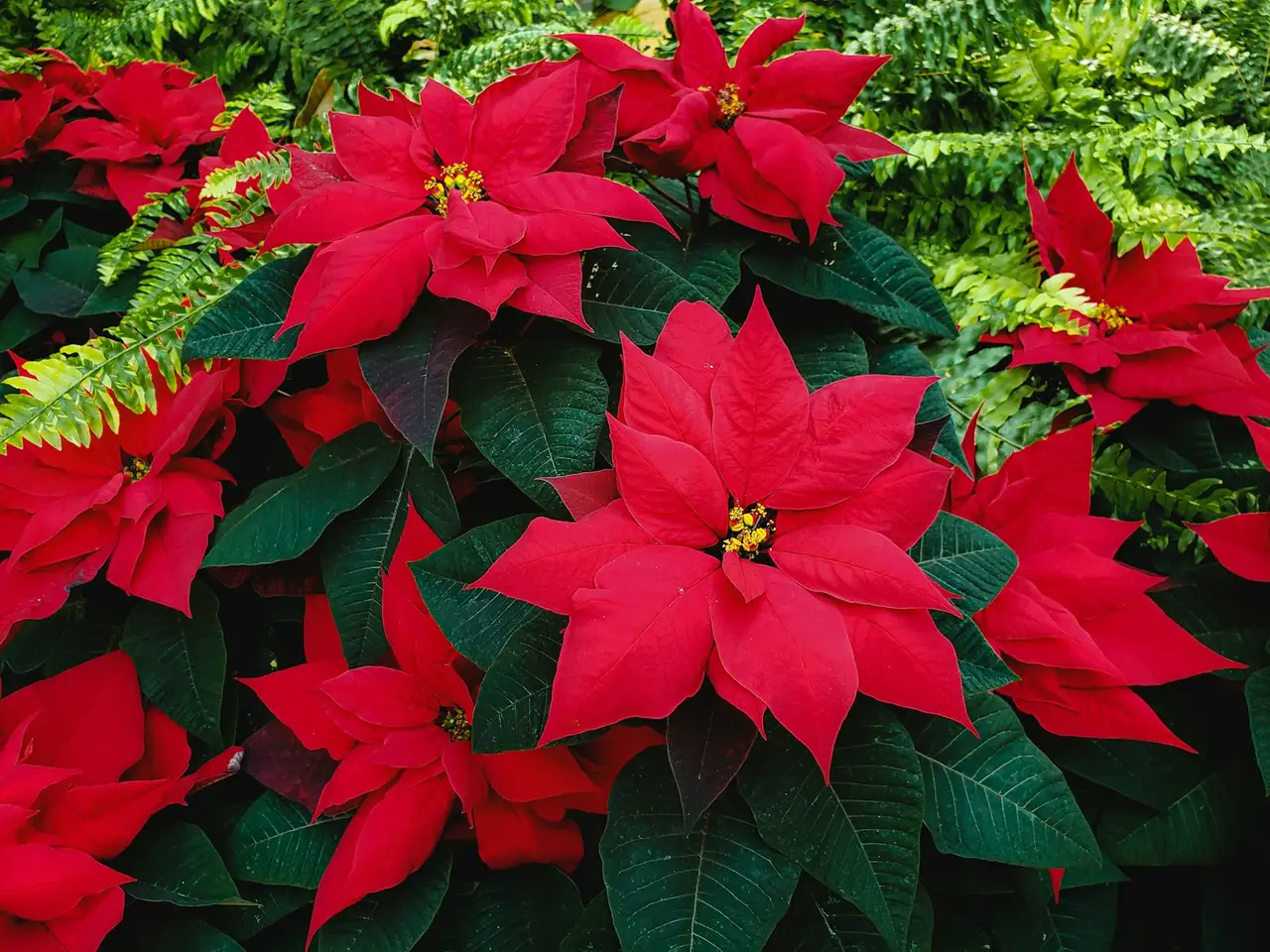
Are poinsettia plants poisonous for dogs? Yes, but only mildly, and if your dog just chewed one, the honest answer will probably calm you down. The famous “deadly poinsettia” reputation is one of the most-repeated wrong facts in holiday pet safety. The ASPCA classifies poinsettia toxicity as “generally over-rated.” The Pet Poison Helpline calls the poisoning “greatly exaggerated.” A nibbled leaf is an upset stomach, not an emergency.
This guide gives you the calibrated answer, where the deadly-poinsettia myth actually came from, the dog-specific symptoms to watch for, and the holiday plants that genuinely are dangerous (because some of them are).
TL;DR
- Poinsettias are mildly toxic to dogs, per the ASPCA. The toxin is the irritant milky sap.
- The “deadly” reputation is a myth. ASPCA says “generally over-rated”; Pet Poison Helpline says “greatly exaggerated.”
- No recorded fatality. A review of 22,793 poinsettia-exposure cases found not a single death.
- Symptoms are mild and self-limiting: drooling, mild mouth and stomach irritation, occasional vomiting, sometimes mild skin or eye irritation from the sap. Usually resolve within hours.
- There is no antidote because one is almost never needed. Most cases need no treatment.
- The genuinely dangerous holiday plants for dogs are different: mistletoe, holly, true lilies, amaryllis, and yew. Poinsettia is not in their league.
- You can keep poinsettias with a dog. Sensible placement is enough.
Are poinsettias poisonous to dogs?
Yes, but mildly. The ASPCA lists the poinsettia (Euphorbia pulcherrima, family Euphorbiaceae) as toxic to dogs, cats, and horses. The toxic principle is “irritant sap,” and the clinical signs it lists are telling: “Irritating to the mouth and stomach, sometimes causing vomiting, but generally over-rated in toxicity.”
That last phrase is the whole story. The Pet Poison Helpline is even more direct: poinsettias “are only mildly toxic to cats and dogs,” and “while poinsettias are commonly ‘hyped’ as poisonous plants, they rarely are, and the poisoning is greatly exaggerated.” Purina’s veterinary content agrees: “it’s unlikely that a dog will suffer any serious health concern or fatality as a result of eating a poinsettia.”
So poinsettias are genuinely toxic in the technical sense (the sap irritates), but the danger sits at the very bottom of the toxicity scale: a dog that chews a leaf gets an irritated mouth and maybe an upset stomach, not organ damage or a life-threatening crisis.
The poinsettia “deadly plant” myth, and where it came from
The belief that a single poinsettia leaf can kill is not a vague rumor. It has a specific, traceable origin, and following it is the fastest way to see why the fear is misplaced.
The story starts in 1919, when, according to the account, an Army officer’s two-year-old child at Fort Shafter in Honolulu died after eating a poinsettia leaf. In 1944, the book Poisonous Plants of Hawaii repeated the claim, asserting that the milky juice and leaves were poisonous and could cause “intense emesis and catharsis and delirium before death.” The death was never actually confirmed to be caused by the poinsettia, and the original claim was later walked back, but the urban legend had already taken hold and has been republished every December for a century.
Modern toxicology has thoroughly dismantled it. As documented by the New York Botanical Garden in a piece co-authored by Dr. Michael Balick (Director of the Institute of Economic Botany at NYBG) and Dr. Lewis Nelson (Chief of the Division of Medical Toxicology at Rutgers New Jersey Medical School):
- A study in the American Journal of Emergency Medicine reviewed 22,793 poinsettia-exposure cases reported to the American Association of Poison Control Centers and did not find a single fatality recorded.
- A study in the journal Toxicon fed rats the equivalent of 500 to 600 poinsettia leaves and found no toxic effect.
The myth survives for two reasons. First, Euphorbia is a real toxin genus (the milky latex irritates in many species), so the family name lends false credibility. Second, holiday-safety lists get copied every year without anyone rechecking the underlying science. Poinsettia is not the only plant whose reputation outruns its real toxicity; we find the same over-correction with plants like hydrangeas, which are also milder than the panic suggests. We are rechecking the science here, with sources you can follow.
What the milky sap actually does
The irritant in a poinsettia is the milky white latex that seeps from any broken leaf or cut stem. Per the Pet Poison Helpline, the sap contains “diterpenoid euphorbol esters and saponin-like detergents.” These are contact irritants, not systemic poisons.
When a dog bites a leaf, the sap irritates the tissues it touches: the lips, mouth, tongue, and stomach lining. That produces the drooling and occasional vomiting. If the sap gets on the skin or in an eye, it can cause mild local irritation there too. What it does not do is enter the bloodstream and damage organs the way a true systemic toxin (like the compound in true lilies, or the cardiac glycosides in foxglove) does.
This is why the symptoms are mild and brief: once the sap is cleared from the mouth and gut, the irritation stops. There is nothing accumulating, and there is no antidote needed because there is no systemic poison to neutralize.
Symptoms of poinsettia ingestion in dogs
Drawing on the ASPCA, Pet Poison Helpline, and Purina, here is what to actually expect.
Common, mild, and self-limiting:
- Drooling or lip-smacking (the most common sign, from mouth irritation)
- Mild vomiting, usually one episode
- Pawing at the mouth
- Reduced appetite for a meal
- Mild diarrhea (less common)
- Skin redness, swelling, or itchiness if the sap touched the skin
- Mild eye irritation if sap contacted an eye (rare)
These typically appear soon after contact and resolve within a few hours to a day. The Pet Poison Helpline notes the signs “are generally self-limiting and typically don’t require medical treatment unless severe and persistent.”
When to call your vet (uncommon, but worth knowing):
- Repeated vomiting or vomiting that continues for more than a few hours
- Persistent diarrhea
- Signs of significant distress, lethargy, or refusal to drink
- A very large ingestion, especially in a puppy or a small or senior dog
- Eye exposure with ongoing redness or pawing at the eye
Even in these cases the treatment is supportive (rinsing, anti-nausea medication, fluids if dehydrated), not an emergency antidote. But a phone call is cheap insurance if anything looks beyond mild.
Will one poinsettia leaf hurt a dog?
This is one of the most-searched versions of the question, and the answer is reassuring: a single leaf is very unlikely to cause anything beyond mild, short-lived irritation. The dog may drool, lick its lips, or vomit once, and then be fine.
There is a built-in safeguard, too. The sap is bitter and irritating on contact, so most dogs taste a poinsettia, dislike it, and stop. That self-deterrent is a big part of why serious cases are so rare: a dog physically does not want to eat much of it.
The realistic worst case is a determined chewer (often a bored puppy) that eats a large amount of leaves before the irritation deters it. Even then, the concern is GI upset and possible dehydration from repeated vomiting, not poisoning in the life-threatening sense. There is no toxic-dose threshold published for poinsettia the way there is for genuinely dangerous plants, because the toxicity is mild and self-limiting.
What to do if your dog ate a poinsettia
- Take the plant away and remove any chewed pieces from your dog’s mouth if you can do so safely.
- Wipe the mouth, muzzle, and paws with a damp cloth if you see sap, so your dog does not spread it to the eyes by licking or rubbing.
- Offer water. Drinking helps rinse the irritant out of the mouth and soothe the stomach.
- Do not induce vomiting unless a veterinarian tells you to. The sap already irritated the mouth on the way down; bringing it back up irritates everything a second time.
- Watch for a few hours. Most dogs show mild signs that fade on their own. Note what and roughly how much was eaten.
- Call for guidance if anything is more than mild, or if you are unsure of the amount, your dog is a puppy or small breed, or symptoms persist. The numbers below reach toxicology professionals around the clock.
Emergency phone numbers:
- ASPCA Animal Poison Control Center: (888) 426-4435
- Pet Poison Helpline: (855) 764-7661
Both charge a consultation fee and can tell you, based on your dog’s size and what it ate, whether home monitoring is fine or a vet visit is warranted.
How to keep dogs away from poinsettias (without banning them)
You do not have to give up poinsettias to keep a dog safe. You just have to make the plant inconvenient to chew.
- Elevate it. A mantel, a high plant stand, or a hanging basket puts the foliage out of a dog’s casual reach. Watch for counter-surfers and tall breeds.
- Use a barrier. A decorative plant cage, a closed room during a holiday party, or simply the center of a table rather than the edge all reduce access.
- Redirect bored chewers. A dog with appropriate chew toys and enough exercise is far less likely to go after a houseplant out of boredom.
- Clean up dropped leaves and bracts. Fallen poinsettia pieces on the floor are the easiest thing for a dog to grab. Sweep them up.
- Keep the plant’s water dish covered if your dog drinks from anything available; standing plant water is a minor but avoidable irritant exposure.
The goal is reasonable precaution proportional to a mild risk, not the panic that the myth would have you feel.
The holiday plants that ARE genuinely dangerous to dogs
Here is the part that actually matters for keeping your dog safe over the holidays: the plants you should worry about are not the poinsettia. Several common festive plants are far more dangerous, and the attention wasted on poinsettias is better spent on these.
- Mistletoe (Viscum and Phoradendron species): genuinely toxic. Per the WSU College of Veterinary Medicine guidance cited by Purdue Extension, mistletoe “can cause vomiting, severe diarrhea, difficult breathing, shock and death within hours of ingestion.” Seek veterinary care immediately for any ingestion.
- Holly (Ilex species): the spiny leaves and berries cause vomiting, belly pain, and diarrhea. Generally not deadly but more uncomfortable than poinsettia, and the sharp leaves add a physical-injury risk.
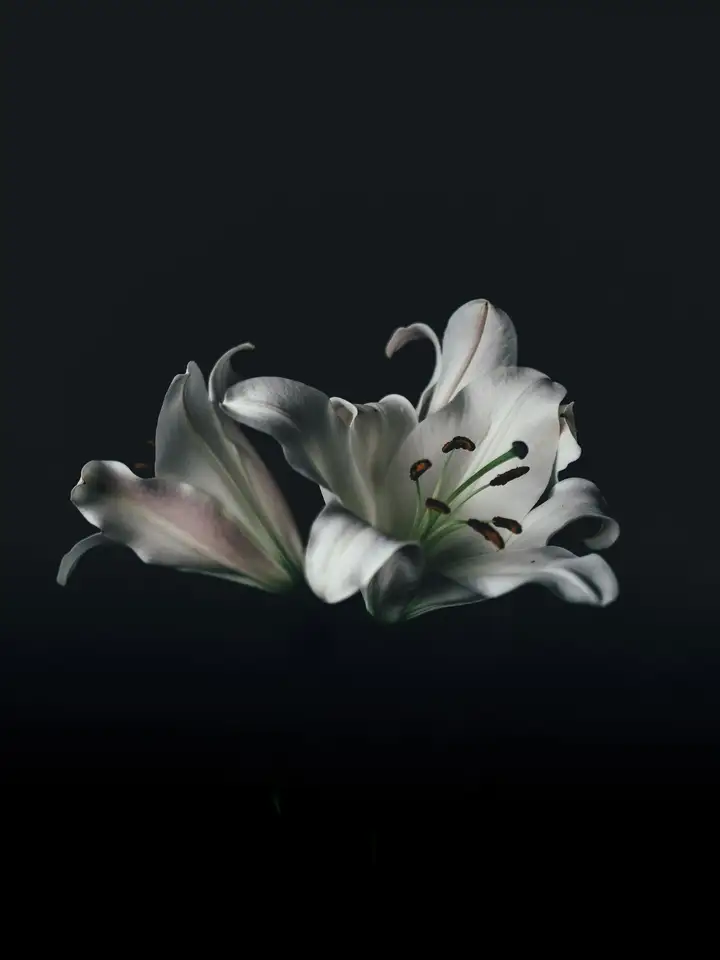
- True lilies (Lilium and Hemerocallis species, common in holiday and gift arrangements): these are the catastrophic outlier. They are best known for causing fatal kidney failure in cats, and while dogs are less severely affected, lily ingestion still warrants prompt veterinary attention, and some “lilies” like lily of the valley are seriously cardiotoxic to dogs. See our full guide to lilies and pets.
- Amaryllis (Hippeastrum): the popular bulb gift plant contains lycorine and other alkaloids that cause vomiting, drooling, lethargy, and tremors, with the bulb being the most toxic part.
- Yew (Taxus species, in wreaths and greenery): contains taxine alkaloids that can cause sudden cardiac effects. Genuinely dangerous.
If you take one thing from this article, let it be the reordering of your concern: relax about the poinsettia, and keep the mistletoe, holly, lilies, amaryllis, and yew well out of reach.
Are poinsettias poisonous to cats too?
Yes, in the same mild way. The ASPCA classifies poinsettia as toxic to cats, dogs, and horses, all via the same irritant sap, and calls the toxicity over-rated for every one of them. A cat that chews a poinsettia gets the same mild mouth and stomach irritation a dog does. If you have both pets, the calibrated answer is identical. For the cat-specific version, including the same myth-busting in a cat household context, see our companion guide, Are Poinsettias Poisonous to Cats?.
Frequently asked questions
Can you have poinsettias in the house with dogs?
Yes. Poinsettias are only mildly toxic to dogs, and the danger is widely over-rated. The sensible precaution is placement: keep the plant where your dog cannot casually chew it, the same as any houseplant. There is no fatality from poinsettia ingestion on record in large poison-control reviews, so a poinsettia in the home is a manageable, low-risk situation, not a reason to skip the plant.
Will one poinsettia leaf hurt a dog?
Almost certainly not in any serious way. A single leaf might cause mild mouth irritation, drooling, or at most one bout of vomiting from the irritant sap. The sap is bitter and irritating, which is why most dogs stop after a taste. A one-leaf nibble is a monitor-at-home situation, not an emergency.
What happens if a dog licks a poinsettia?
Licking the sap may cause mild drooling or lip-smacking from the irritant compounds, and possibly mild skin redness where the milky sap touched. These signs are self-limiting and usually pass within a few hours. Wipe the area, offer water, and watch your dog. Licking alone, without eating leaves, rarely causes more than transient irritation.
Why are poinsettias not allowed in hospitals?
This is mostly the same debunked myth, plus general infection-control caution. Some hospitals restrict ALL live plants and flowers in certain wards (such as oncology or intensive care) because soil and standing water can harbor mold and bacteria that endanger immunocompromised patients, not because poinsettias are uniquely poisonous. Poinsettia’s actual toxicity is mild and over-rated.
Are poinsettias poisonous to cats too?
Yes, in the same mild way. The ASPCA classifies poinsettia as toxic to cats, dogs, and horses, all via the same irritant sap, and calls the toxicity over-rated for all of them. Cats and dogs get the same mild mouth and stomach irritation. See our full guide to poinsettias and cats for the cat-specific details.
The takeaway
Poinsettias are mildly toxic to dogs, and the deadly reputation is a century-old myth that veterinary toxicology has thoroughly debunked, right down to a review of 22,793 cases without a single death. If your dog nibbled a poinsettia, expect a little drooling and maybe one upset-stomach episode, watch them for a few hours, and call a poison line if anything looks worse than mild. Then redirect your holiday vigilance to the plants that genuinely earn it: mistletoe, holly, lilies, amaryllis, and yew. The poinsettia is fine. The dog is fine. The holiday is fine.
Emergency phone numbers:
- ASPCA Animal Poison Control Center: (888) 426-4435
- Pet Poison Helpline: (855) 764-7661
Sources
- ASPCA, Poinsettia (Euphorbia pulcherrima): toxicity classification, irritant sap, “generally over-rated in toxicity.”
- Pet Poison Helpline, Poinsettia: “only mildly toxic to cats and dogs,” toxin compounds, “greatly exaggerated,” self-limiting signs, no antidote.
- Purina, Are Poinsettias Poisonous to Dogs?: dog-specific symptoms, “mildly toxic,” unlikely fatality.
- Purdue University Botany and Plant Pathology / WSU College of Veterinary Medicine, Poinsettia Plant: Is it Poisonous to Pets?: “not very toxic to pets,” mistletoe and holly comparison.
- New York Botanical Garden, Dispelling a Seasonal Myth: The Poinsettia is Not a Toxic Plant, by Michael Balick, PhD and Lewis Nelson, MD: the 1919 origin, the 22,793-case review with zero fatalities, and the Toxicon rat study.