Aloe vera is toxic to cats, but the part of the plant people assume is dangerous (the clear inner gel that humans use for sunburn) is not the part that actually causes the poisoning. The toxic compounds live in a yellow latex layer between the gel and the green skin. That distinction matters because it shapes both the symptoms a chewed leaf produces and the calibration of how urgent the response needs to be.
Quick answer
Aloe vera is toxic to cats, per ASPCA Animal Poison Control. The toxic principles are saponins and anthraquinones, concentrated in the yellow latex layer just under the skin of the leaf. Per Pet Poison Helpline, ingestion causes vomiting, diarrhea, lethargy, depression, anorexia, changes in urine color, and rarely tremors. Toxicity is mild to moderate.
The ASPCA’s entry is explicit about one detail that most articles on this topic miss or get wrong: the gel is considered edible. The clear inner gel that humans use topically and orally is not where the toxicity lives. The yellow latex sandwiched between the green outer skin and the clear gel is the part that matters.
If your cat just chewed a whole leaf (latex included, as in a houseplant bite), scroll to the next section. If your cat licked some processed aloe gel off your arm, the situation is much milder and explained later in this guide.
Is your cat showing symptoms right now?
Call for guidance if any of these apply:
- Repeated vomiting (more than once in the last hour)
- Persistent diarrhea
- Refusing water or food for more than a few hours and acting unusually subdued
- Visible tremors (rare but listed by Pet Poison Helpline)
- Unusually colored urine (red, brown, or dark amber)
- Any symptom in a kitten, senior cat, or cat with existing health conditions
Phone numbers:
- Pet Poison Helpline: 855-764-7661 (around-the-clock, $85 consultation fee)
- ASPCA Animal Poison Control Center: 888-426-4435 (around-the-clock, $95 consultation fee)
- Your local emergency vet for severe symptoms outside business hours
For most aloe ingestions in a healthy adult cat, the helpline will recommend watching at home for 12 to 24 hours and calling back if symptoms escalate. Pet Poison Helpline classifies aloe toxicity as “mild to moderate,” which calibrates expectations.
Do not induce vomiting at home. Cats are not dogs, and the at-home methods that work for dogs (hydrogen peroxide) are not safe for cats. If a vet wants vomiting induced, they will do it themselves with proper medication.
What aloe vera toxicity actually does
The aloe leaf has three distinct layers, and only one of them matters for cat toxicity. Knowing the structure of the leaf is the single most useful piece of information in this whole article.
The two toxic compounds
ASPCA’s entry lists the toxic principles as saponins and anthraquinones. Pet Poison Helpline goes further, naming the specific class: anthraquinone glycosides that act as purgatives, compounds that encourage bowel movements. Per Pet Poison Helpline directly: “When ingested, these glycosides are metabolized by intestinal bacteria forming compounds that increase mucus production and water in the colon. This can result in vomiting and diarrhea.”
In plain language: the anthraquinones in aloe latex are chemical relatives of the active ingredients in over-the-counter laxatives for humans. Cats lack the metabolic pathway humans use to handle these compounds gracefully. What is a mild stimulant laxative for a human is a significant GI irritant for a cat.
Why the gel is “considered edible” but the leaf is not
The ASPCA’s clinical-signs entry includes this exact line: “The gel is considered edible.” This is unusual for an ASPCA toxic-plant entry, and it is the most important sentence in the entry.
The aloe leaf cross-section, from outside in:
- Green outer skin (cuticle). Tough, waxy, mildly bitter. Some saponins here.
- Yellow latex layer (also called aloe latex or “aloin”). A thin layer of yellow sap directly under the skin. This is where the anthraquinones are concentrated. This is the layer that matters.
- Clear inner gel. Mostly water (95-99%), with complex carbohydrates and small amounts of nutrients. This is what ASPCA calls “edible.” Commercial aloe gel sold for human use is this layer, filtered to remove latex.
When a cat chews a raw houseplant aloe leaf, they get all three layers at once: the latex contamination is unavoidable. When a human applies bottled aloe gel to a sunburn, they get only layer 3.
The yellow latex layer is where the toxicity lives
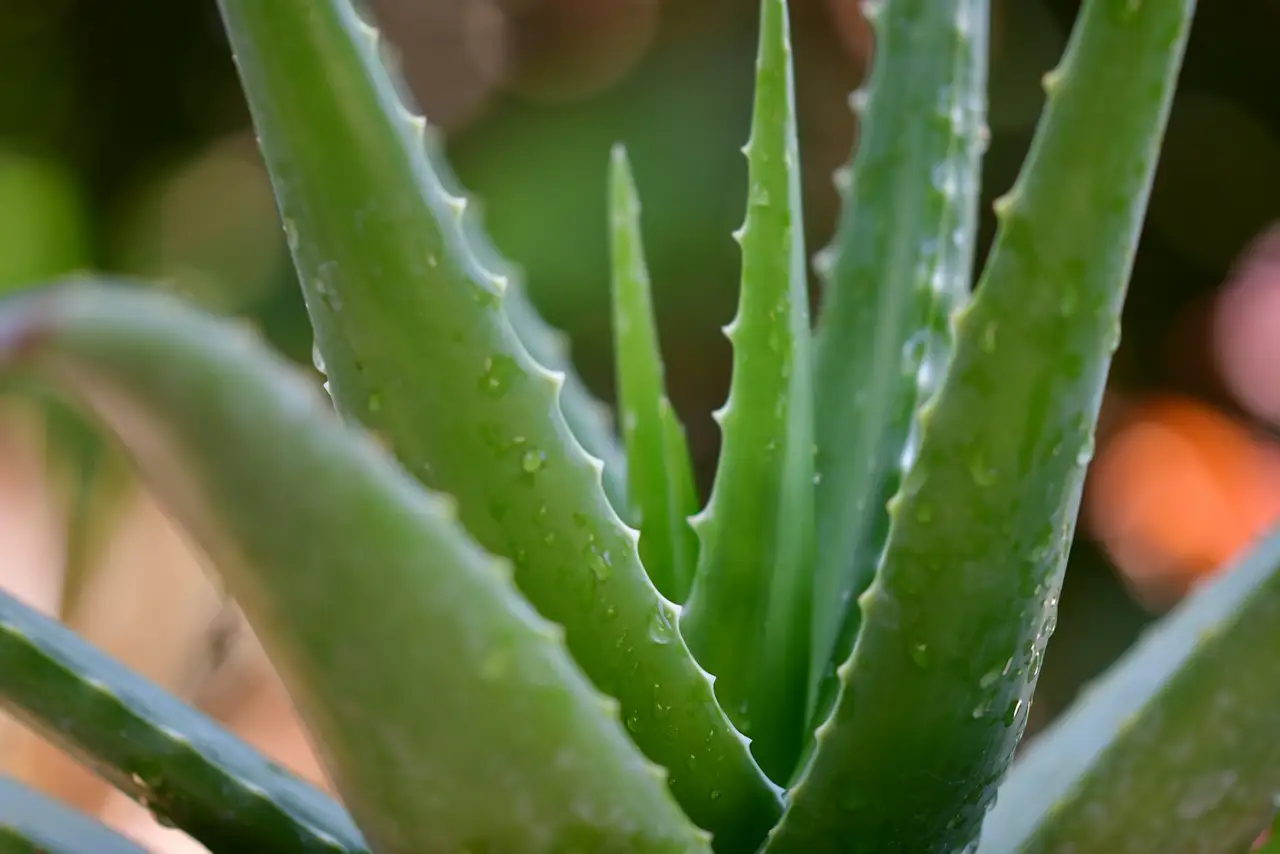
If you cut an aloe leaf in half and watch for thirty seconds, you will see a yellow-orange liquid bead up at the cut edge between the green skin and the clear gel. That yellow bead is the latex. It contains aloin and other anthraquinone derivatives.
Commercial aloe processing decants this layer off before packaging the gel. Houseplant aloe does not get processed. A cat biting into a houseplant leaf gets the latex. A cat licking some bottled aloe gel off your forearm mostly does not.
This is the gap most competitor articles miss. A vet-clinic listicle ranking for this keyword as of this writing says “the gel inside the aloe leaves contains compounds called saponins and anthraquinones.” That is the opposite of what ASPCA says. We are sticking with ASPCA.
Why aloe is safe for humans but toxic to cats
Two reasons:
1. Humans consume processed aloe; cats chew raw leaves. Commercial aloe vera gel for topical use is the inner gel only, with the latex layer filtered out. Commercial aloe juice for drinking is the same gel layer in liquid form (sometimes called “decolorized” or “purified” aloe). A houseplant aloe leaf has not been processed. When your cat chews a leaf, they get the whole cross-section: outer skin, latex layer, inner gel, all at once.
2. Cats metabolize anthraquinones differently than humans. Humans tolerate small doses of anthraquinone glycosides reasonably well. The same compounds at the same dose affect cats more intensely. This is not unique to aloe; cats have well-known sensitivities to compounds humans tolerate (acetaminophen, onions, garlic, some essential oils). Aloe joins that list for the same general reason: feline liver enzymes process some chemicals differently than human ones.
The cognitive trap for cat owners is the “but humans use it every day” reasoning. The bottle of aloe gel on your bathroom counter is not the same thing your cat encountered on the windowsill. It is the same plant, but the parts you used and the part your cat got are different.
Symptoms timeline: what to expect over the next 24 hours
If your cat just ate part of an aloe leaf, here is the typical progression. Symptoms are sourced to ASPCA and Pet Poison Helpline (no claims that go beyond what those sources document).
0 to 30 minutes after ingestion:
- Possible drooling, lip-licking, or pawing at the mouth. The latex is bitter and irritating.
- Most cats stop chewing once they taste the latex; some keep going. Either way, exposure has happened.
- Your cat may seek water. Let them drink freely.
30 minutes to 4 hours:
- Vomiting may begin, often containing visible green plant material.
- Diarrhea may start, sometimes preceding vomiting, sometimes following it.
- Decreased appetite is normal.
- Some lethargy and quieter-than-usual behavior.
4 to 12 hours:
- Vomiting typically eases.
- Diarrhea may continue intermittently.
- Lethargy may peak. Cat is sleeping more than usual, hiding, less responsive.
- Pet Poison Helpline notes possible “changes in urine color” (red, brown, or unusual amber tinge) in this window. This is from anthraquinone metabolites being excreted, not bleeding. Notable but not in itself an emergency.
12 to 24 hours:
- Most cases resolve.
- Cat returns to normal eating, drinking, energy.
- Diarrhea is the last symptom to clear.
If after 24 hours your cat is still:
- Lethargic and not eating
- Vomiting
- Producing diarrhea
- Showing tremors (rare per Pet Poison Helpline, but listed)
Then call your vet. The symptom set has moved beyond what aloe alone typically causes, and supportive care for dehydration may be needed.
We are not veterinarians. The information above is sourced to ASPCA reference materials and Pet Poison Helpline publicly available guidance. For specific concerns about your cat, call your vet, the Pet Poison Helpline, or the ASPCA Animal Poison Control Center.
Which parts of the aloe plant are toxic?
The whole leaf, in practice, because the toxic latex is sandwiched between the skin and the gel and cannot be separated by a cat eating the plant.
- Yellow latex layer: highest concentration of anthraquinones. The toxicity is here.
- Green outer skin (cuticle): contains some saponins; also bitter and irritating on chew.
- Clear inner gel: per ASPCA, “considered edible.” Mostly water and complex carbohydrates. Low risk on its own.
- Roots: rarely eaten by cats (they are in soil), but they contain similar compounds. Treat as toxic if ingested.
- Sap on skin or fur: the latex is irritating to skin and can cause mild dermatitis in cats and humans. If your cat brushed against a broken aloe leaf and got sap on their coat, wipe it off gently with a damp cloth before they groom and ingest it.
The practical takeaway: any chew on a whole aloe leaf delivers the latex layer, which means any chew is a toxic exposure. Telling a reader “your cat can have the gel but not the rest of the leaf” is not useful advice because cats do not eat in surgical slices.
Which aloe varieties are toxic? (all of them)
The genus Aloe contains more than 500 species, all of which produce some level of anthraquinone-containing latex. ASPCA’s entry is specifically for Aloe vera (also known as Aloe barbadensis miller), the most common houseplant variety, but other commercially available aloes share the toxin profile.
Aloe vera (Aloe barbadensis miller)
The standard kitchen-counter and bathroom aloe. Soft, fleshy, lance-shaped gray-green leaves with toothed white edges. The variety used commercially for skincare and drinks. Listed by ASPCA as toxic to cats, dogs, and horses.
Aloe arborescens (Krantz aloe, tree aloe)
A taller, branching aloe common in warm-climate landscape plantings (California, Mediterranean coast, South Africa). Same anthraquinone latex. Toxic.
Aloe ferox (Cape aloe, bitter aloe)
A larger spinier aloe used commercially in some traditional aloe juice products. Higher latex content than Aloe vera, actually. Toxic.
Decorative spiky aloes (any plant labeled Aloe)
Nursery aloes sold as ornamental succulents (Aloe juvenna, Aloe humilis, Aloe brevifolia, and many others) are in the same genus and contain the same toxin profile. ASPCA’s entry applies to the genus more broadly: if the tag says Aloe, treat it as toxic to your cat. Aloe is one of several common toxic succulents, which we map out in our guide to whether succulents are toxic to cats.
The rule: any plant in the genus Aloe contains the latex. Genus-wide toxicity. The variegated patterns or growth habits of different cultivars do not change the chemistry.
A note on aloe vera gel and juice (the processed stuff)
Most “aloe vera” products humans interact with are not raw leaves. Worth understanding which products carry which level of risk.
Commercial aloe gel (bottled, for topical use)
The kind in the green bottle for sunburn. This is the inner gel only, filtered to remove most of the latex. Per ASPCA, the gel is considered edible. A cat that licks a small amount of bottled aloe gel off your skin is unlikely to develop significant symptoms. The risk is from any added ingredients in the product (fragrances, preservatives, menthol or other actives) that may have their own cat-toxicity profile. Read the label.
Aloe vera juice (the drinkable stuff)
Commercial aloe juice is the inner gel in liquid form, usually with stabilizers and flavorings. Some products are “decolorized” (meaning further latex-removed); some less-processed products retain more latex. Per the FDA, food-grade aloe vera juice is required to have anthraquinone levels below specific thresholds. None of this should be given to cats deliberately. Cats cannot use plant sugars usefully and there is no benefit. A small amount accidentally licked from a glass is generally low-risk.
Aloe-containing skincare products (lotions, after-sun, wipes)
These are processed gel with added ingredients. The aloe content is small. If your cat licks aloe-containing skincare off your arm or off the bottle nozzle, the aloe is rarely the concern; the other ingredients (preservatives like methylparaben, fragrances, essential oils) may matter more. Call Pet Poison Helpline if you can read the ingredient list to them and are worried.
Raw houseplant aloe leaf
This is the highest-risk version. Latex layer is present. Genus Aloe. Treat as a real toxic exposure per the timeline and protocols above.
What to do if your cat ate aloe
First 15 minutes
- Remove the cat from the plant and put the plant somewhere the cat cannot reach. Sweep up any dropped leaf fragments. Wipe up any visible yellow latex on the floor.
- Wipe the cat’s coat or paws if you can see visible plant sap. Use a damp soft cloth. Do not bathe a stressed cat fully; just remove what you can see.
- Note when the exposure happened and how much was eaten. A single small chew is different from a whole leaf demolished. The helpline will ask.
- Do not induce vomiting at home. At-home methods that work for dogs (hydrogen peroxide) are not safe for cats.
When to call the vet vs Pet Poison Helpline
For most aloe ingestions in a healthy adult cat, Pet Poison Helpline (855-764-7661) is the right first call. Their triage is fast, well-calibrated, and they classify aloe as mild-to-moderate toxicity. Their typical guidance is to watch the cat at home for 12 to 24 hours and call back if symptoms escalate.
Go directly to the vet if your cat is a kitten or very elderly, has existing kidney or liver disease, ate a substantial amount of leaf material, is showing severe symptoms (continuous vomiting, severe lethargy, refusing all water, tremors), or you suspect the plant might have been something more dangerous than aloe (like a true lily that looks similar in spiky form).
Phone numbers (save these now)
- Pet Poison Helpline: 855-764-7661
- ASPCA Animal Poison Control Center: 888-426-4435
- Your local emergency vet for severe symptoms outside business hours
Why cats are drawn to aloe plants
Aloe does not contain a chemical attractant the way spider plant does (no mild catnip-like effect). Cats chew aloe for ordinary cat reasons: the fleshy leaves are easy to bite into, the spiky shape is visually novel, and aloe is often placed at cat-accessible heights (kitchen counters, bathroom shelves, low side tables) because humans want it close at hand for skincare.
The standard plant-chewing redirects all work for aloe. A small tray of cat grass gives the cat a designated chewing target and reduces interest in other plants substantially.
How to keep your aloe vera if you have cats
The honest recommendation is to swap it for a cat-safe alternative (see next section). The Haworthia swap is so visually close that most cat owners cannot tell the difference. If you are committed to keeping the aloe for skincare access, here is how to manage the risk.
Placement
- Move the plant to a room your cat does not access. A bathroom with a closed door, a home office, a sunny windowsill in a guest room. Aloe wants bright indirect to direct light; this works in most rooms.
- Tall shelves are unreliable. Cats can leap five to six feet vertically. A high open shelf is not safe; a high closed cabinet is.
- No nearby launch points. Cats use furniture as launchpads. Move the plant away from anything the cat can use as a stepping stone.
Deterrents
- Citrus spray. Cats dislike citrus oils. A diluted citrus spray on the lower leaves and pot rim deters most cats. Reapply weekly.
- Double-sided tape on the pot rim. Cats avoid sticky paws.
- Heavy ceramic pot. Aloe is top-heavy as it matures. A lightweight plastic pot tips when a cat bats the leaves, which gives the cat new access to the now-on-the-floor plant.
Redirects
A cat with a designated chewable plant is significantly less interested in the houseplants they are not supposed to chew. Provide:
- Cat grass (oat, wheat, barley, rye grass blends). The single most effective behavioral redirect.
- Catnip plants (Nepeta cataria) for the roughly 70 percent of cats who respond to catnip.
Pet-safe alternatives that look like aloe vera
Several ASPCA-non-toxic plants give you the same architectural aloe look without the latex problem. These are the swap recommendations.
Haworthia (Haworthia species): the closest visual match for an aloe vera houseplant. Small rosette-shaped succulent with thick fleshy leaves, often with white tubercles or markings on the leaves. ASPCA classifies Haworthia as non-toxic to cats. They want bright light and infrequent watering, same as aloe. They stay small (3 to 6 inches across) and live for years on a sunny windowsill. If you bought aloe for the look, this is the direct substitution. Our cat-safe houseplants pillar flags this swap explicitly.
Echeveria (Echeveria species): the classic rosette succulent in every plant shop. ASPCA non-toxic to cats. Bright direct light and very infrequent watering. The thick waxy leaves are less interesting to most cats than aloe’s softer leaves, so they are also more cat-resistant in addition to being safe.
Christmas Cactus (Schlumbergera bridgesii): ASPCA non-toxic. A spineless, segmented succulent that blooms in late fall and winter. Different aesthetic from aloe (no rosette, no spikes) but fills the same easy-care houseplant niche. Lives for decades.
Ponytail Palm (Beaucarnea recurvata): technically a succulent despite the name. ASPCA non-toxic to cats. Architectural, drought-tolerant, sculptural form. If you wanted aloe as a statement plant (rather than for skincare), this is the larger upgrade, and one of several cat-safe indoor trees that give you size without the toxicity.
For the full list of cat-safe houseplants organized by use case (low-light, hanging, statement, easy-care, edible), see our cat-safe houseplants pillar guide.
What about dogs?
Yes, aloe vera is toxic to dogs by the same mechanism. The ASPCA classifies Aloe vera as toxic to both cats and dogs (and horses), with the same anthraquinone and saponin compounds causing the same general signs: vomiting, diarrhea, lethargy, possible urine color changes.
Practical differences for dogs: dogs are generally larger than cats and may need to eat more plant material to show significant symptoms, but small dogs can be more affected than large dogs by the same amount. Dogs are also more likely to drink water freely and self-flush, which helps. The same emergency phone numbers apply (Pet Poison Helpline 855-764-7661, ASPCA APCC 888-426-4435). The same advice applies: watch for symptoms, call if anything is severe or persistent.
What to skip
A few things you do not need to do, despite what the internet might suggest:
- Do not induce vomiting at home. Hydrogen peroxide is unsafe for cats. If a vet wants vomiting induced, they have safe medical-grade options.
- Do not believe articles claiming “the gel is the toxic part.” ASPCA explicitly says the opposite: the gel is considered edible. The toxicity is in the yellow latex layer just under the skin. Multiple vet-clinic listicles get this wrong.
- Do not panic over a small exposure in a healthy adult cat. Pet Poison Helpline rates aloe toxicity as mild to moderate. Most cases resolve at home in 12 to 24 hours. The $200 to $800 ER visit for monitoring of a self-limiting condition is usually unnecessary.
- Do not apply human aloe skincare products to your cat. Even if the aloe content is mostly the inedible-when-pure gel, the added ingredients (preservatives, fragrances, essential oils) are not formulated for cat skin or for licking. Topical aloe is not a cat remedy.
- Do not give your cat aloe juice “to help with constipation.” Aloe is a purgative because of the anthraquinones. The therapeutic dose for a human is the toxic dose for a cat. Use vet-prescribed laxatives, not human aloe juice.
Frequently asked questions
Is aloe vera toxic to cats? Yes. Per the ASPCA, Aloe vera is toxic to cats due to saponins and anthraquinones. Clinical signs include vomiting, diarrhea, and lethargy; Pet Poison Helpline adds depression, anorexia, changes in urine color, and rarely tremors. Toxicity is mild to moderate.
What if my cat only licked aloe vera gel? A small lick of the clear inner gel (the part humans use topically) is unlikely to cause serious symptoms. ASPCA specifically notes the gel is “considered edible.” Watch for vomiting, drooling, or loose stools for a few hours.
How poisonous is aloe vera for cats? Pet Poison Helpline rates aloe toxicity as mild to moderate. Most cases resolve within 12 to 24 hours. Aloe does not cause kidney failure, liver damage, or other life-threatening organ effects in typical exposures.
Is aloe vera juice toxic to cats? Commercial aloe juice is processed to reduce the latex content but is not designed for cats. A small accidental lick is low-risk. Never give aloe juice to cats deliberately.
Is aloe vera toxic to cats and dogs? Yes, both. Same compounds, similar symptoms, same emergency phone numbers apply.
How toxic is aloe vera to cats? Mild to moderate per Pet Poison Helpline. Comparable to snake plant and the calcium-oxalate trio (pothos, peace lily, monstera) on the severity spectrum. Significantly less dangerous than true lilies, which are the catastrophic outlier.
My cat ate aloe but seems fine. Do I still need to do anything? If a small amount was eaten and your cat is symptom-free in the first hour, they probably will not develop symptoms. Watch them for 12 to 24 hours. If no symptoms appear in that window, none are coming.
Why is aloe vera safe for humans but toxic to cats? Humans consume processed aloe (gel with latex removed) and metabolize what little anthraquinone they get differently than cats. Cats chewing a raw houseplant leaf get the unprocessed latex layer, which their liver handles poorly.
Related toxic plants we cover
If you found this article while researching plant toxicity for your cat, these sibling guides cover the other common toxic-houseplant categories:
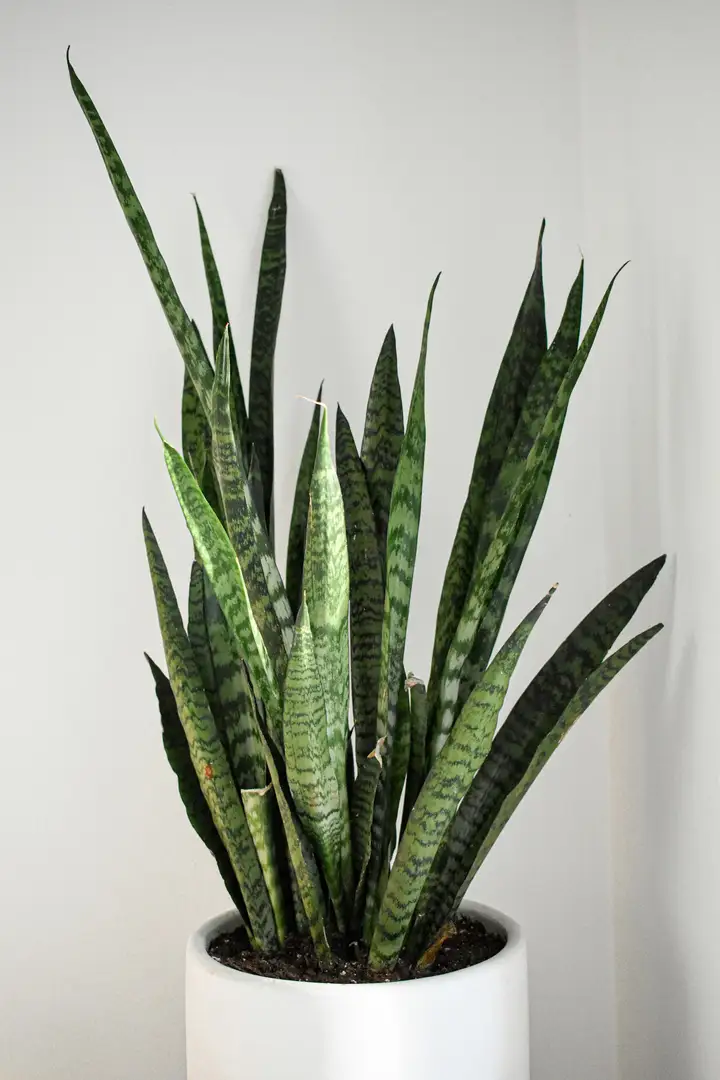
- Are Snake Plants Toxic to Cats, the closest mechanism comparison (saponins overlap; different anthraquinone profile)
- Are Pothos Toxic to Cats, the calcium-oxalate mechanism in trailing vines
- Peace Lily and Cats, commonly confused with true lilies but calcium oxalate
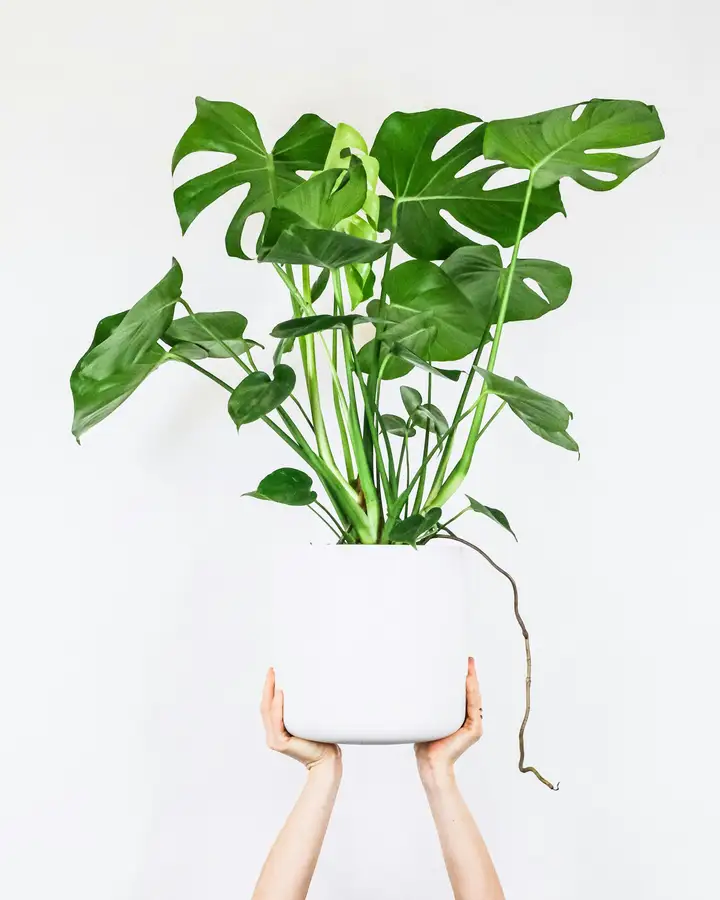
- Are Monstera Toxic to Cats, the calcium-oxalate trio finisher
- Are Lily Toxic to Cats, the emergency-level houseplant for cats (a different category entirely)
- Is Lavender Safe for Cats, another mildly toxic plant where the concentrated essential oil is a bigger concern than the plant itself
- Cat-Safe Houseplants, the master list of non-toxic plants for cat households (Haworthia is the canonical aloe swap)
Sources and further reading
- ASPCA Animal Poison Control: Aloe (Aloe vera), Toxicity: Toxic to Dogs, Toxic to Cats, Toxic to Horses; Toxic Principles: Saponins, anthraquinones; Clinical Signs: Vomiting (not horses), lethargy, diarrhea. “The gel is considered edible.”
- Pet Poison Helpline Aloe Vera entry, anthraquinone glycoside mechanism explained, clinical signs include vomiting, diarrhea, depression, anorexia, changes in urine color, and rarely tremors. Toxicity level: Mild to Moderate.
- Our cat-safe houseplants pillar guide for the Haworthia swap and other non-toxic alternatives.
- Our cat grass guide, the single most effective behavioral redirect for plant-chewing cats.
If you arrived at this page because your cat just chewed an aloe leaf, the most likely outcome is that they will be uncomfortable for a few hours and recover within a day. The Pet Poison Helpline rates this exposure as mild to moderate, and the symptoms are GI-focused, not organ-damaging. Watch them, call the helpline if you have doubt, and consider swapping the plant for a Haworthia once everyone is okay.