Are orchids poisonous to cats? No. The ASPCA classifies the Phalaenopsis orchid (the common moth orchid) as Non-Toxic to cats, dogs, and horses. There are no reports of any orchid species being seriously toxic to cats. If your cat just nibbled an orchid petal, you are not dealing with a poisoning.
The catch is everything around the orchid: the bark-and-moss potting medium (a chewing and swallowing hazard), the pesticides or fertilizer spikes that often come with commercial orchids, and the generic stomach upset any plant material can cause a cat. This guide covers the clean answer, which orchid types are confirmed versus assumed safe, and the potting-bark risk that most articles skip.
The quick answer
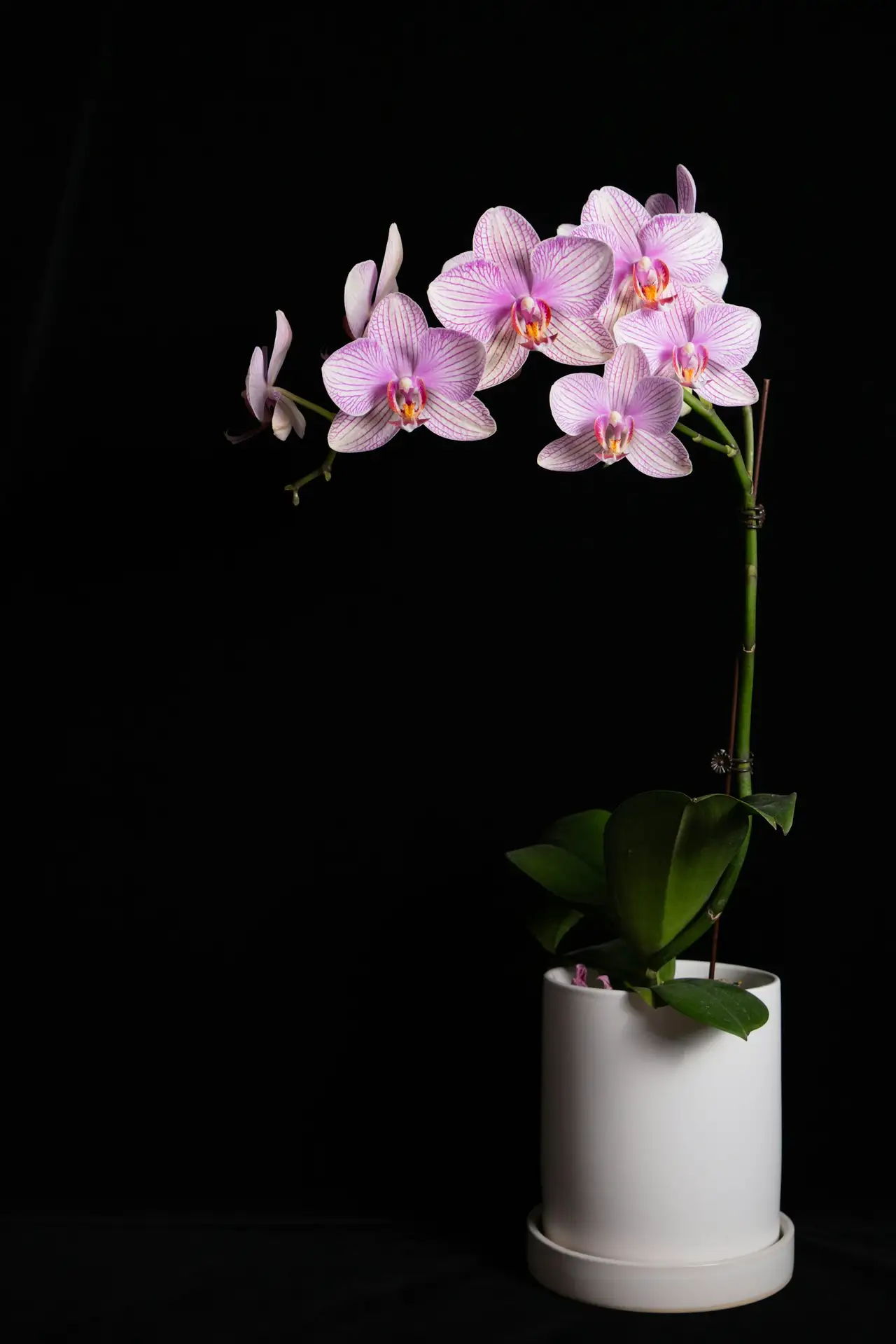
Orchids are non-toxic to cats. The ASPCA lists the Phalaenopsis orchid (genus Phalaenopsis, family Orchidaceae) as Non-Toxic to dogs, cats, and horses. Phalaenopsis is the orchid you almost certainly have: the arching spray of flat, round flowers sold at every grocery store and given as a gift.
The real risks with orchids and cats are:
- Potting bark and sphagnum moss: orchids are potted in chunky bark, not soil, and a cat that chews or swallows it has a GI-obstruction risk
- Pesticides and fertilizer spikes: the chemicals on or in a commercial orchid, not the plant itself
- Generic plant-material GI upset: cats are carnivores; any plant can briefly upset their stomach
If your cat ate part of an orchid and you want guidance:
- ASPCA Animal Poison Control: (888) 426-4435 (a consultation fee may apply)
- Pet Poison Helpline: (855) 764-7661 (a consultation fee applies)
For a suspected bark-swallowing obstruction, your regular vet is the right call.
TL;DR
- Orchids are non-toxic to cats. ASPCA: Phalaenopsis Orchid is Non-Toxic to dogs, cats, horses.
- No orchid is reported as seriously toxic to cats, though only Phalaenopsis is specifically ASPCA-listed.
- The potting bark and moss are the distinctive risk: GI-obstruction hazard if chewed and swallowed.
- Pesticides and fertilizer spikes on commercial orchids are the actual chemical risk.
- Generic plant-material GI upset (vomiting, diarrhea) is possible if a cat eats a lot of any plant.
- Common genera with no toxicity reports: Phalaenopsis, Dendrobium, Cattleya, Oncidium, Vanda, Cymbidium.
- Lady’s slipper (Cypripedium): the one orchid type flagged for mild skin/contact irritation.
- Same non-toxic classification for dogs and horses.
- You can absolutely keep orchids with cats. Manage the bark and chemicals, not the flower.
What ASPCA actually says (and what it doesn’t)
The ASPCA Phalaenopsis Orchid entry is short and clear:
Scientific Name: Phalaenopsis sp. Family: Orchidaceae Additional Common Names: Moth Orchid, Moon Orchid Toxicity: Non-Toxic to Dogs, Non-Toxic to Cats, Non-Toxic to Horses
No clinical signs are listed because the plant is non-toxic. That is the cleanest possible answer for the most common orchid.
Here’s the honest nuance that matters: ASPCA’s entry is specifically for the Phalaenopsis genus. The orchid family, Orchidaceae, is one of the largest plant families on earth, with over 25,000 species and tens of thousands more hybrids. ASPCA did not individually test all of them; it tested the one that shows up in millions of homes.
The good news, confirmed by TheSpruce’s vet-reviewed coverage: “there aren’t reports of any species being seriously toxic to cats when ingested.” So the practical answer is that orchids are safe, with the caveat that a rare or unusual species you can’t even identify hasn’t been formally cleared. For the orchids people actually own, the answer is a confident “non-toxic.”
Which orchid types are confirmed safe vs. assumed safe
Phalaenopsis (Moth Orchid) - ASPCA-confirmed
The orchid you almost certainly have. Flat, round, often-striped flowers on an arching spray, broad strappy leaves at the base, sold everywhere as a gift and houseplant. ASPCA lists it explicitly as Non-Toxic to cats. This is the gold-standard-safe orchid.
Dendrobium, Cattleya, Oncidium, Vanda, Cymbidium - assumed safe (no toxicity reports)
These are the other common houseplant and cut-flower orchid genera. They are not individually listed by ASPCA, but there are no documented reports of any of them being toxic to cats, and orchid-care sources (including Just Add Ice Orchids) treat Phalaenopsis, Dendrobium, and Cattleya together as non-toxic. The accurate framing: very likely safe, no reports of harm, but not formally ASPCA-tested the way Phalaenopsis is. Treat them with the same “don’t let the cat make a meal of it” caution you’d give any non-toxic plant.
Lady’s Slipper (Cypripedium) - the one mild-irritation flag
The exception worth knowing. Lady’s slipper orchids (genus Cypripedium and related slipper orchids) are known to cause mild skin/contact irritation in humans, and TheSpruce notes the same may be true for cats. This is contact irritation, not systemic poisoning, and it’s mild. If you grow slipper orchids, it’s a reason to discourage chewing, not a reason to panic. They are not in the same category as a genuinely toxic plant like a true lily.
Why “non-toxic” doesn’t mean “no risk”
The orchid flower is safe. But orchids come with three risks that have nothing to do with the plant’s chemistry, and the first one is genuinely distinctive to orchids.
Orchid potting media (the distinctive orchid hazard)
This is the risk most articles skip, and it’s the one that actually matters with orchids. Orchids are epiphytes in the wild (they grow on tree bark, not in soil), so they’re potted in chunky bark chips, sphagnum moss, charcoal, or perlite rather than potting soil. That loose, chewable medium is a magnet for a curious cat.
The hazards:
- GI obstruction. Bark chips and clumps of sphagnum moss are fibrous and indigestible. A cat that swallows a mouthful can develop a gastrointestinal blockage, which is a genuine surgical emergency, unlike the mild GI upset from the plant itself.
- Chemical carriers. The medium is where fertilizer spikes get pushed and where systemic pesticides concentrate. A cat eating treated bark gets a chemical dose.
- Choking. Larger bark pieces are a choking hazard for an enthusiastic chewer.
The fix is simple: keep the potting medium covered (a layer of large decorative stones the cat can’t swallow, or a mesh cover) or keep the pot somewhere the cat can’t dig in it. This single step removes the biggest orchid-specific risk.
Pesticides, fertilizer spikes, and chemical residues
Commercial orchids are frequently treated with systemic pesticides to survive greenhouse-to-store shipping, and many come with slow-release fertilizer spikes pushed into the medium. These chemicals are the actual toxicity risk in an “orchid poisoning” scenario.
TheSpruce recommends repotting a new orchid into fresh, pet-safe organic medium to eliminate unknown chemical residues. That’s the gold-standard move for a cat household: when you bring a new orchid home, repot it into clean bark and pull any fertilizer spikes. It also lets you add a stone or mesh cover at the same time.
Generic plant-material GI upset
Cats are obligate carnivores. Their digestive systems are not built for plant material, so eating a lot of any plant, even a non-toxic orchid, can cause:
- One or two episodes of vomiting, often with visible plant material
- Mild diarrhea
- Decreased appetite for a meal or two
This is not orchid toxicity. It’s the same generic “cat ate plant” upset that any safe plant can cause, and it resolves within 24 hours. The same thing happens with spider plants, cat grass, and every other cat-safe houseplant if a cat overdoes it.
What to do if your cat ate part of an orchid
- Don’t panic. The orchid is non-toxic. The most likely outcome is no symptoms or brief mild GI upset.
- Check what the cat actually ate. A petal or leaf is a non-issue. A mouthful of bark or moss is the thing to take seriously (obstruction risk).
- Look for fertilizer spikes or chemical residue. If the cat dug in the medium, check for missing fertilizer spikes and rinse the cat’s mouth if you suspect chemical contact.
- Move the orchid out of reach. Cats often return for a second try.
- Offer fresh water.
- Watch for 12 to 24 hours. Note time, what was eaten, and any symptoms.
- Call your vet if you suspect bark or moss was swallowed. Signs of GI obstruction include repeated vomiting, refusal to eat, lethargy, straining, or a tense abdomen. This warrants a same-day vet call, not home monitoring.
- Call ASPCA or Pet Poison Helpline if chemical exposure is likely (treated bark, fertilizer spike). For the plant alone, no call is needed.
- Do not induce vomiting at home. Standard rule for any cat ingestion.
Why cats are attracted to orchids
Cats nibble orchids for the same reasons they go after any houseplant: the arching flower spray moves and dangles like a toy, the broad leaves are at chewing height, and the loose bark medium is fun to dig in. Orchids are particularly tempting because the flower spike sways, which triggers a cat’s prey-drive batting instinct.
This is worth understanding because the solution isn’t just “move the plant.” A bored cat that wants to bat at dangling things needs an outlet. Pairing orchid placement with a designated chew target (see below) addresses the behavior, not just the access.
How to keep cats away from orchids
You can keep orchids in a home with cats. The plant is safe; you’re managing the bark, the chemicals, and the batting instinct.
- Cover the potting medium. A layer of large, smooth decorative stones (too big to swallow) or a fitted mesh cover stops bark-digging and bark-eating in one move. This is the single most effective orchid-specific step.
- Repot new orchids into pet-safe medium and remove fertilizer spikes. Eliminates the chemical risk.
- Elevate or isolate the plant. High shelves or hanging orchid mounts keep the dangling spray out of batting range. Just-Add-Ice and TheSpruce both recommend height. Note: cats climb, so genuine height (above jump-and-reach range) matters, not just “up a bit.”
- Citrus-scented deterrent on the pot rim (not the flowers). Cats dislike citrus.
- Provide a decoy chew target. A pot of cat grass gives the cat a safe, designated plant to chew, redirecting it from the orchid.
- A dangling cat toy near the cat’s play area redirects the batting instinct away from the swaying flower spike.
Are orchids safe for dogs?
Yes. The ASPCA classifies the Phalaenopsis orchid as non-toxic to dogs, cats, and horses. The secondary risks apply the same way, and in some cases more so: dogs are more likely than cats to eat a large quantity of potting bark in one go, which raises the GI-obstruction concern. Chemical residues and fertilizer spikes are the same hazard. For dogs, the bark-cover step is just as important as for cats.
Cat-safe plants and flowers that pair well with orchids
If you’re building a cat-safe plant collection, orchids slot in alongside other ASPCA-verified safe options. Our cat-safe flowers pillar lists 8 verified-safe flowers (orchids included), and our cat-safe plants pillar covers 22 houseplants vetted against the ASPCA list. Strong companions for an orchid shelf:
- Roses (in a cat-safe vase arrangement): non-toxic per ASPCA. See our roses-and-cats guide.
- Spider Plant (Chlorophytum comosum): non-toxic, trailing, covered in our spider plant guide.
- Cat grass: the designated chew target that protects everything else, from our cat grass guide.
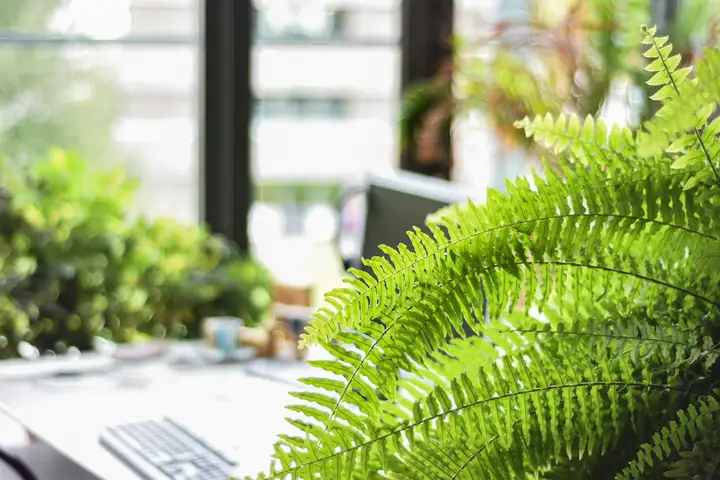
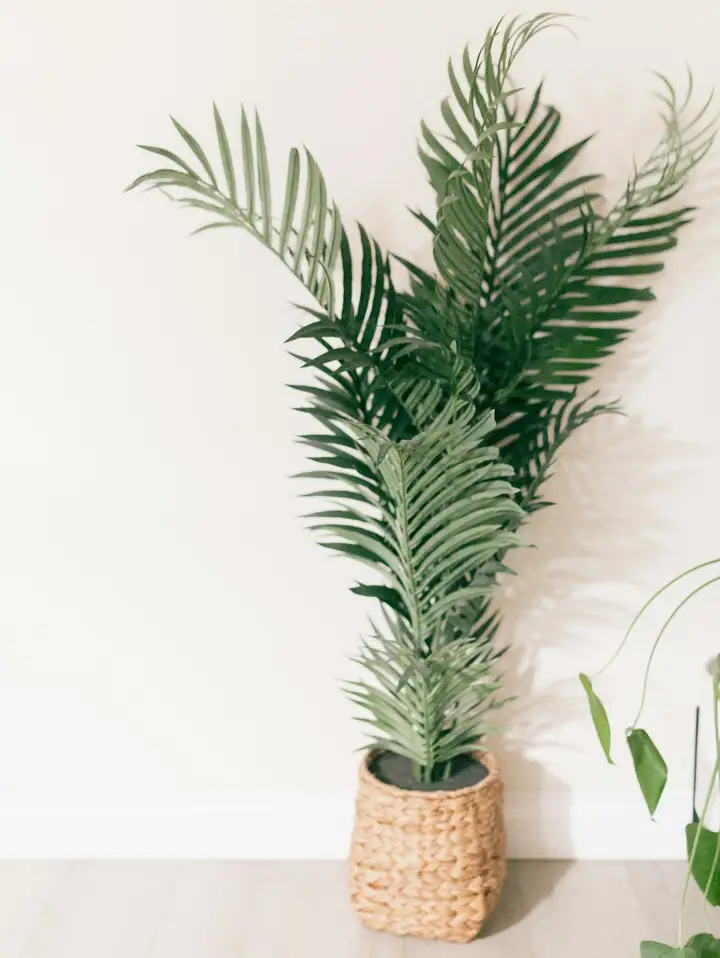
- Boston Fern, Parlor Palm, Calathea: all ASPCA non-toxic, all in the cat-safe pillar.
The contrast worth noting: the peace lily is often displayed alongside orchids in gift arrangements and looks similarly elegant, but unlike the orchid it IS toxic to cats (calcium oxalate). If you’re assembling a cat-safe plant gift, orchid yes, peace lily no.
What to skip
- Refusing to keep orchids because of toxicity fears. ASPCA classifies Phalaenopsis as non-toxic; no orchid is reported as seriously toxic. The fear is misplaced; the bark is the real (and easily managed) risk.
- Treating the orchid flower as the danger. It isn’t. The potting medium and chemicals are.
- Inducing vomiting at home. Not warranted for non-toxic plant ingestion. And if a bark obstruction is the concern, inducing vomiting can make it worse; that’s a vet’s call.
- Calling poison control for one chewed petal. No toxin, no call needed. Save the call for suspected chemical or bark-obstruction exposure.
- Assuming “orchid” on a plant tag tells you the genus. It usually means Phalaenopsis, but if you have a slipper orchid (Cypripedium) the mild-irritation note applies. When unsure, discourage chewing regardless.
- Leaving fertilizer spikes in a cat-accessible pot. This is the avoidable chemical risk. Pull them.
FAQ
Are Phalaenopsis (moth) orchids safe for cats?
Yes. The ASPCA classifies the Phalaenopsis orchid (also called moth orchid or moon orchid) as non-toxic to cats, dogs, and horses. Phalaenopsis is the most common gift and houseplant orchid, and it is the orchid genus ASPCA specifically lists. A cat that nibbles a Phalaenopsis petal or leaf is not at risk of poisoning.
Can cats eat orchid flowers or leaves?
They can without being poisoned, but they shouldn’t make a habit of it. Orchid flowers and leaves are non-toxic, but cats are obligate carnivores and their digestive systems aren’t built for plant material. Eating a lot of any plant, including a non-toxic orchid, can cause brief GI upset (vomiting, diarrhea, decreased appetite) that resolves within 24 hours.
Is orchid potting bark dangerous if my cat eats it?
This is the most overlooked orchid risk. Orchids are potted in bark chips and sphagnum moss rather than soil, and a cat that chews or swallows bark pieces can have a GI obstruction risk, plus exposure to any fertilizer spikes or systemic pesticides in the medium. The orchid flower is non-toxic; the potting medium is the part to keep covered or out of reach.
Are all orchid species safe for cats, or just Phalaenopsis?
ASPCA specifically lists Phalaenopsis as non-toxic. The Orchidaceae family has over 25,000 species, and there are no reports of any orchid being seriously toxic to cats, but most individual species have not been formally tested. Common houseplant genera (Dendrobium, Cattleya, Oncidium, Vanda, Cymbidium) have no toxicity reports. Lady’s slipper orchids (Cypripedium) can cause mild skin irritation. When in doubt, prevent chewing regardless of species.
My cat knocked over and chewed an orchid. What should I do?
Don’t panic; the orchid itself is non-toxic. Check for chewed bark or moss (potential GI-obstruction hazard), remove any fertilizer spikes the cat could reach, and rinse the cat’s mouth if it contacted any chemical residue. Monitor for 12 to 24 hours for mild GI upset. Call your vet or Pet Poison Helpline (855-764-7661) if you suspect the cat swallowed potting bark or chemical-treated material, or if symptoms persist past 24 hours.
Are orchids safe for dogs too?
Yes. ASPCA classifies the Phalaenopsis orchid as non-toxic to dogs, cats, and horses. The same secondary risks apply: dogs may eat larger quantities of potting bark, raising the GI-obstruction concern, and chemical residues on the plant or in the medium are the actual hazard if any.
Do orchids have pesticides that could hurt my cat?
They can. Commercial orchids are sometimes treated with systemic pesticides or come with slow-release fertilizer spikes in the pot. These chemicals, not the orchid itself, are the real toxicity risk. Repotting a new orchid into fresh pet-safe medium and removing fertilizer spikes is the cleanest way to eliminate this risk.
The takeaway
Orchids are not poisonous to cats. ASPCA classifies the Phalaenopsis orchid (the one you almost certainly own) as non-toxic, and no orchid is reported as seriously toxic to cats. If your cat nibbled an orchid petal, you can relax. The things actually worth managing are the chunky bark-and-moss potting medium (cover it), the pesticides or fertilizer spikes that come with commercial orchids (repot and remove them), and the generic stomach upset any plant can cause a cat that overindulges.
If you’re building a cat-safe plant collection or shopping for a pet-safe gift plant, the orchid is a genuinely good pick. Pair it with the other verified-safe options in our cat-safe flowers guide and cat-safe plants pillar, and steer around the toxic look-alike gift plants like the peace lily.
Emergency phone numbers
Keep these visible in any cat household:
- ASPCA Animal Poison Control: (888) 426-4435 (a consultation fee may apply)
- Pet Poison Helpline: (855) 764-7661 (a consultation fee applies)
Both lines are open 24/7 and staffed by veterinary toxicologists. For a suspected potting-bark obstruction, your regular or emergency vet is the right contact.
Sources cited
- ASPCA. Toxic and Non-toxic Plants: Phalaenopsis Orchid. Verified May 28, 2026.
- TheSpruce. Are Orchids Toxic to Cats?. Johnstone, G. Updated June 21, 2024. Verified May 28, 2026.
- Gardenia.net. Are Orchids Toxic to Cats?. Verified May 28, 2026.
- Just Add Ice Orchids. Are Orchids Poisonous to Cats? A Safety Guide. June 19, 2025. Verified May 28, 2026.