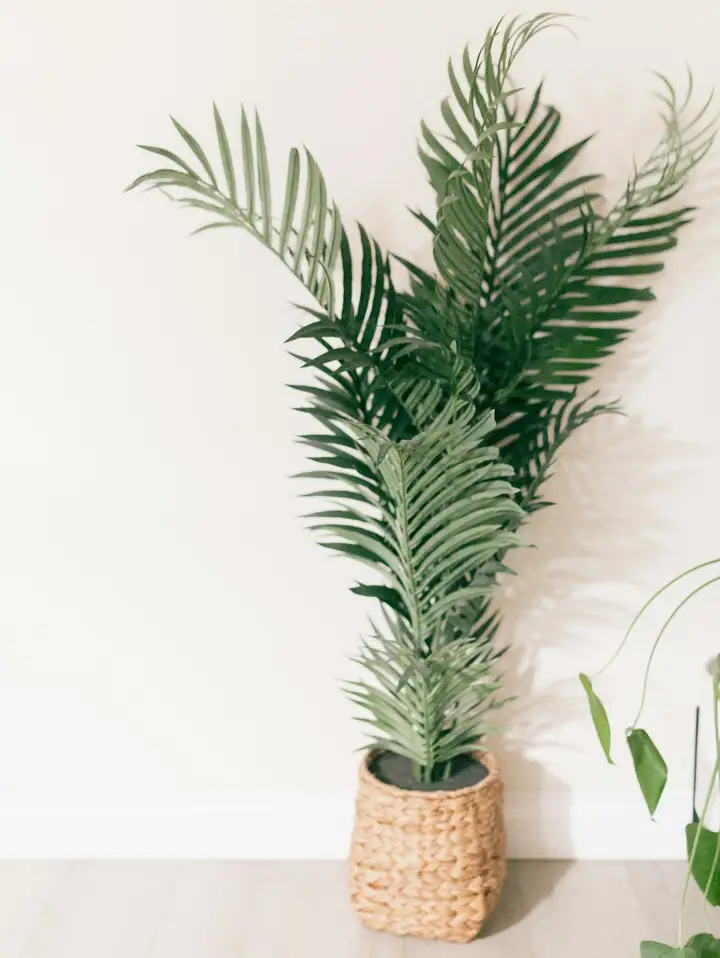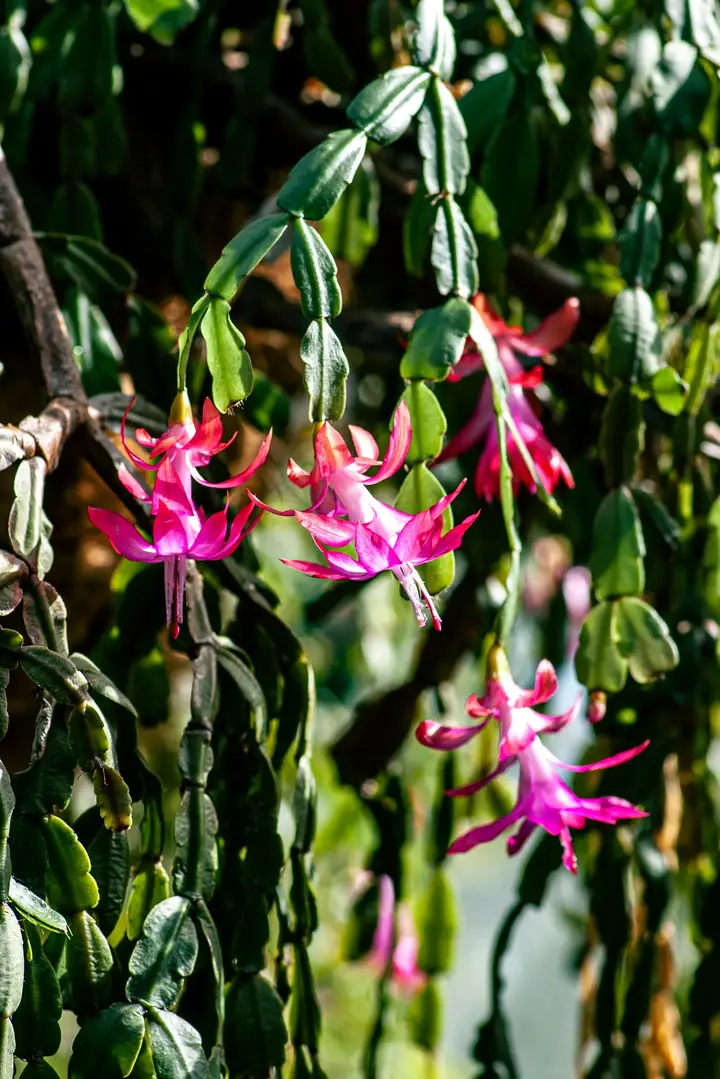
Your cat chewed a fern, you searched “are ferns toxic to cats,” and you need one clear answer. Here it is: true ferns are not toxic to cats. Every fern in the ASPCA’s plant database, from the Boston fern in the hanging basket to the staghorn on the wall, is listed as non-toxic to cats and dogs. The plants that give ferns a bad name are impostors: two common houseplants that carry the word “fern” without being one, and one of them can kill a cat.
This guide goes fern by fern. You will find which ferns the ASPCA has verified, which popular ones it has never listed at all (and how to think about those), which fern-named plants are toxic, what to do if your cat ate one, and which fern to buy if you want the look without the worry.
Are ferns toxic to cats? The quick answer
No. True ferns are not toxic to cats. The ASPCA database holds 43 entries for ferns and their close cousins, covering Boston, sword, staghorn, rabbit’s foot, holly, button, mother, and table ferns, and every one is listed non-toxic to cats and dogs. The two houseplant “ferns” that are toxic are not ferns: asparagus fern, which irritates skin and stomach, and fern palm, a sago palm that can be fatal.
Which ferns are safe for cats? The ASPCA lists all of these as non-toxic:
- Boston fern and Fluffy Ruffles (Nephrolepis exaltata)
- Sword fern and macho fern (Nephrolepis biserrata)
- Lemon button fern (Nephrolepis cordifolia)
- Rabbit’s foot, hare, and ball fern (Davallia)
- Staghorn fern (Platycerium)
- Button fern, listed as cliff brake (Pellaea rotundifolia)
- Holly fern and fishtail fern (Cyrtomium falcatum)
- Western sword fern and Christmas fern (Polystichum)
- Mother fern and hen and chickens fern (Asplenium bulbiferum)
- Silver table fern (Pteris) and carrot fern (Onychium)
TL;DR
- True ferns: non-toxic. No fern in the ASPCA database is listed as toxic to cats. Not one.
- Asparagus fern: toxic, and not a fern. Also sold as plumosa, lace, sprengeri, emerald, and foxtail fern. Skin irritation with repeated contact; vomiting and diarrhea from the berries.
- Fern palm: severely toxic, and not a fern. It is a sago palm. The ASPCA lists liver failure and death, and says one or two seeds can be fatal.
- Bird’s nest, maidenhair, and Kimberly Queen ferns have no ASPCA entry. That is not a verdict either way. We explain how to treat them.
- A cat that eats a true fern may vomit the mouthful back up. That is bulk plant material, not poisoning.
- Outdoors, bracken is a livestock toxin the ASPCA lists for horses only, and poison hemlock, a weed, carries the aliases winter fern and California fern.
- Best ferns to buy for a cat home: Boston fern, lemon button fern, rabbit’s foot fern, staghorn fern, button fern.
At a glance: which ferns are safe for cats and which “ferns” are not
Every verdict below links to the ASPCA entry we checked. “No ASPCA entry” means we looked the plant up and the database has nothing under any of its names; it does not mean safe, and it does not mean toxic.
| Common name(s) | Scientific name | Verdict | ASPCA entry | Note |
|---|---|---|---|---|
| Boston fern, Fluffy Ruffles | Nephrolepis exaltata | Non-toxic (ASPCA) | Boston Fern, Fluffy Ruffles | Four entries for the species |
| Sword fern, macho fern, Dallas, Roosevelt, Whitman, Verona | Nephrolepis biserrata | Non-toxic (ASPCA) | Bold Sword Fern | Nine entries for the species |
| Lemon button fern, dwarf Whitman fern | Nephrolepis cordifolia | Non-toxic (ASPCA) | Duffii Fern | Listed as Duffii or Duffy fern |
| Rabbit’s foot, hare, squirrel foot, deer foot, ball fern | Davallia spp. | Non-toxic (ASPCA) | Rabbits Foot Fern | Furry rhizomes invite paws |
| Staghorn fern | Platycerium bifurcatum, P. alcicorne | Non-toxic (ASPCA) | Common Staghorn Fern | Mounted on a board, it is out of reach by design |
| Button fern | Pellaea rotundifolia | Non-toxic (ASPCA) | Cliff Brake | Filed under the name cliff brake |
| Holly fern, Japanese holly fern, fishtail fern | Cyrtomium falcatum | Non-toxic (ASPCA) | Holly Fern | Five entries for the species |
| Western sword fern, giant holly fern | Polystichum munitum | Non-toxic (ASPCA) | Western Sword | Outdoor garden fern |
| Christmas fern | Polystichum acrostichoides | Non-toxic (ASPCA) | Christmas Dagger | Outdoor garden fern |
| Mother fern, hen and chickens, king and queen, parsley fern | Asplenium bulbiferum | Non-toxic (ASPCA) | Mother Fern | The only Asplenium in the database |
| Silver table fern, brake fern | Pteris sp. | Non-toxic (ASPCA) | Silver Table Fern | ”Lace fern” on its own is a toxic asparagus name; check the Latin |
| Carrot fern | Onychium japonicum | Non-toxic (ASPCA) | Carrot Fern | |
| Frosty fern, club moss, spikemoss | Selaginella kraussiana | Non-toxic (ASPCA) | Club Moss | A spikemoss, not a fern; six entries |
| Asparagus fern, foxtail, plumosa, lace, sprengeri, emerald feather | Asparagus densiflorus | Toxic (ASPCA), not a fern | Asparagus Fern | Dermatitis with repeated contact; berries cause stomach upset |
| Fern palm, sago palm, coontie, cardboard palm | Cycas and Zamia spp. | Toxic (ASPCA), not a fern | Fern Palm | Liver failure; one or two seeds can be fatal |
| Winter fern, California fern, Nebraska fern (poison hemlock) | Conium maculatum | Toxic (ASPCA), not a fern | Poison Hemlock | An outdoor weed, never a houseplant |
| Bird’s nest fern, crispy wave | Asplenium nidus | No ASPCA entry | none | Genus listed, this species not |
| Maidenhair fern | Adiantum spp. | No ASPCA entry | none | Cats Protection lists it as safe |
| Kimberly Queen fern | sold as Nephrolepis obliterata | No ASPCA entry | none | Two sibling species listed, this one not |
| Blue star fern | Phlebodium aureum | No ASPCA entry | none | |
| Kangaroo fern, crocodile fern | Microsorum spp. | No ASPCA entry | none | Not the same as kangaroo paw, a flowering plant |
| Leatherleaf fern | Rumohra adiantiformis | No ASPCA entry | none | The florist greenery |
| Autumn fern, lady fern, ostrich fern | Dryopteris, Athyrium, Matteuccia | No ASPCA entry | none | Outdoor ferns; ostrich fern is the fiddlehead |
| Bracken, brake fern | Pteridium aquilinum | Horses only (ASPCA) | Bracken Fern | Grazing-livestock toxin; no cat verdict |
Why the only toxic “ferns” are not ferns
Ferns are ancient plants that reproduce by spores. They have no flowers, no seeds, and no berries, and that matters here because the toxic parts of most poisonous houseplants are exactly those: the seed of a sago palm, the berry of an asparagus fern. A true fern has fronds and, on the underside of mature fronds, rows of brown dots called sori where the spores form. That is the whole plant. There is no ASPCA entry for any true fern that lists a clinical sign, because there is no toxin to produce one.
The word “fern,” though, gets attached to anything feathery. Two houseplants inherited it and neither is a fern. Asparagus fern is a relative of the asparagus you eat, with needle-like foliage, tiny white flowers, and red berries. Fern palm is a common name the ASPCA lists for cycads, the group that includes the sago palm, and cycads are among the most dangerous plants a cat can meet. Outdoors, a third plant joins the list: poison hemlock, the weed, which the ASPCA files under the aliases winter fern, California fern, and Nebraska fern.
One more source of confusion is worth clearing up now. Every ASPCA asparagus fern entry lists the family as Liliaceae, and several articles have turned that into “asparagus fern is in the lily family, which is notoriously toxic to cats.” Asparagus is now classified in its own family, and more importantly, its toxicity has nothing to do with the kidney failure that true lilies cause. Asparagus fern is a skin-and-stomach irritant. Lilies are a genuine emergency. Do not let a family name on a database entry put them in the same tier.
Is it a real fern? A 60-second check
Turn a mature frond over. A true fern shows rows or dots of brown, rust, or black sori on the underside, its new growth unfurls from a coiled fiddlehead, and it never produces flowers or berries. Asparagus fern has stems covered in fine, needle-like “leaves” (they are modified stems, not true leaves), tiny white flowers in late spring or early summer, and red berries in fall, per the University of Arkansas Extension’s foxtail fern profile. Sago palm has a thick, shaggy trunk with a crown of stiff, glossy, palm-like leaves, and produces a large cone or seeds at the center. If your plant has berries, flowers, a trunk, or a cone, it is not a fern, and the fern verdict does not apply.
Ferns the ASPCA lists as non-toxic to cats
Every plant in this section has its own ASPCA entry reading non-toxic to cats and non-toxic to dogs. We link the primary entry for each; several species carry multiple entries under trade names.
Boston fern, Fluffy Ruffles, and the Nephrolepis exaltata entries
The ASPCA’s Boston Fern entry lists Nephrolepis exaltata as non-toxic to dogs and cats. The species carries three more entries, all non-toxic: Feather Palm, Dwarf Feather Palm, and Fluffy Ruffles, so the ruffled cultivar has its own verdict rather than borrowing the species one. The NC State Extension plant toolbox lists ‘Bostoniensis’, ‘Fluffy Ruffles’, ‘Dallas’, ‘Verona’, and ‘Whitmanii’ among the cultivars of this species.
This is the fern most cats meet, because it hangs, it moves in a draft, and its fronds are exactly the grassy texture cats like to chew. It is also the fern most likely to be labeled “Boston fern” at a big-box store regardless of cultivar. The verdict holds for all of them. Our cat-safe houseplants pillar has kept the Boston fern on its list since day one for this reason.
Sword fern, macho fern, Dallas, Roosevelt, Whitman, and Verona ferns
Here is a filing quirk worth knowing, because it is why so many “is X fern safe” searches come up empty. The ASPCA has nine separate entries for Nephrolepis biserrata: Bold Sword Fern, Sword Fern, Roosevelt Fern, Dallas Fern, Whitman Fern, Verona Fern, Verona Lace Fern, Tall Feather Fern, and Crisped Feather Fern, all non-toxic to cats and dogs. The NC State toolbox lists macho fern, Dallas, Roosevelt, Whitman, and Verona among the common names of this same species, with ‘Macho’ as the giant cultivar whose fronds reach four feet.
You will notice Dallas, Verona, and Whitman appear under both N. exaltata and N. biserrata depending on the reference. It does not matter for your cat: both species are ASPCA non-toxic, so the verdict holds whichever Latin name the pot carries. The macho fern has no entry under that trade name, but it is this species, and this species is listed.
Lemon button fern (ASPCA “Duffii Fern”)
Search “lemon button fern” on the ASPCA site and you get nothing, which sends people into a panic. It is listed under its older trade name: the Duffii Fern entry (Nephrolepis cordifolia ‘Duffii’) names “Duffy Fern” and “Lemon Button Fern” as its common names, non-toxic to cats, dogs, and horses. The Dwarf Whitman Fern entry covers a second N. cordifolia form. Lemon button is the small, tidy, tabletop fern with round leaflets and a faint citrus smell when brushed, and it is one of the easiest ferns to keep alive in an ordinary living room.
Rabbit’s foot, hare, squirrel foot, deer foot, and ball fern (Davallia)
The furry rhizomes that creep over the pot rim are the whole appeal of this fern, and they are also the thing a cat cannot resist batting. The ASPCA lists the genus under Rabbits Foot Fern (Davallia spp.; common names hare fern, squirrel foot fern, deer foot fern, ball fern), plus a separate entry for the dainty rabbit’s foot fern (Davallia fejeensis), all non-toxic to cats and dogs. A chewed rhizome will not poison a cat, but it will set the plant back, so this one earns a high shelf.
Staghorn fern
Both common staghorns are listed: Common Staghorn Fern (Platycerium bifurcatum) and Platycerium alcicorne, non-toxic to cats and dogs. Because a staghorn is usually mounted on a board and hung on a wall, it is the rare fern that solves the cat problem by design. The flat brown shield fronds at the base are supposed to look dead; do not remove them.
Button fern (ASPCA “Cliff Brake”)
Another name trap. There is no “button fern” entry, but the Cliff Brake entry (Pellaea rotundifolia) lists “Button Fern” as a common name, non-toxic to cats, dogs, and horses. This is the low, arching fern with round, leathery leaflets on dark wiry stems, and it tolerates drier air than most ferns, which makes it a good pick for a heated apartment.
Holly fern, fishtail fern, and the outdoor Polystichum ferns
The glossy, holly-like Japanese holly fern (Cyrtomium falcatum) carries five ASPCA entries, including Holly Fern and Fish Tail Fern, all non-toxic. Its garden cousins are listed too: the Western Sword entry (Polystichum munitum, also called giant holly fern) and the Christmas Dagger entry (Polystichum acrostichoides, the Christmas fern), both non-toxic to cats, dogs, and horses. If you want a fern bed an outdoor cat can walk through, these are the verified choices.
Mother fern, hen and chickens, king and queen, parsley fern
One species, five entries: Asplenium bulbiferum is listed as Mother Fern, Hen and Chickens Fern, King and Queen Fern, Parsley Fern, and Mother Spleenwort, all non-toxic to cats and dogs. It grows tiny plantlets along its fronds (hence “mother”). Keep this one in mind when you reach the bird’s nest fern below, because it is the only Asplenium the ASPCA lists, and the two are not the same plant.
Silver table fern, carrot fern, and the club moss sold as frosty fern
The Silver Table Fern entry (Pteris sp.) and the Carrot Fern entry (Onychium japonicum) are both non-toxic to cats, dogs, and horses. Two name warnings live here. Nurseries sell variegated Pteris as “silver lace fern,” but “lace fern” on its own is an ASPCA name for the toxic asparagus fern, so check the Latin name before trusting the tag. And “brake fern” means Pteris in a nursery but bracken on the ASPCA site, a horse toxin covered below.
The “frosty fern” sold around the holidays is not a fern at all. It is Selaginella kraussiana ‘Variegata’, a spikemoss; the NC State toolbox describes the species as “a cousin of the true ferns” and its white-tipped cultivar as a popular Christmas plant. The ASPCA lists the species six times, under Club Moss, Moss Fern, Cushion Moss, Irish Moss, Japanese Moss, and Tropical Moss, every entry non-toxic to cats, dogs, and horses.
Popular ferns with no ASPCA entry (and how to treat them)
This is the part most articles skip, and it is where you should be most careful about what other sites tell you.
What “not in the database” means
We checked every name and Latin name below against the ASPCA’s plant list. None appears. That is not a safety verdict: the database records the plants the ASPCA has classified, and a plant with no entry has simply not been classified, in either direction.
Three things follow. First, nobody can honestly call these ferns “ASPCA-safe,” and you will see several sites do exactly that. Second, an entry for a relative is context, not a verdict: the ASPCA lists one Asplenium and two Nephrolepis species, which tells you the genus has no known problem, not that this species has been checked.
Third, these are all true ferns, with no berries, flowers, seeds, or known toxin. The reasonable reading is low risk, handled the way you would handle any unverified plant: out of chewing reach, and watch-and-wait after a nibble.
Bird’s nest fern and crispy wave (Asplenium nidus)
The most popular fern on this list, and the one that surprises people most. The NC State toolbox confirms bird’s nest fern is Asplenium nidus and that ‘Crispy Wave’ is one of its cultivars. The ASPCA has no entry for the species under any of those names.
Its listed relative, the mother fern (Asplenium bulbiferum), is non-toxic, and a bird’s nest fern is a true fern with broad, undivided fronds and nothing to eat but leaf. Low risk, unverified. If you already own one, put it where the fronds do not dangle into reach, because the smooth leaf edges get shredded by a chewing cat long before the cat is in any trouble.
Maidenhair fern (Adiantum)
No ASPCA entry, including for the rosy maidenhair. The one secondary source that addresses it directly is Cats Protection, the UK cat welfare charity, which lists maidenhair fern under “common houseplants safe for cats.” We treat that as corroboration, not verification: the ASPCA has not looked at it. In practice maidenhair is such a fussy, humidity-hungry plant that cats do it more harm than it could ever do to them.
Kimberly Queen fern
Sold as Nephrolepis obliterata, the Kimberly Queen is the upright, stiff-fronded cousin of the Boston fern that tolerates sun and drier air. It has no ASPCA entry.
Its two sibling species, N. exaltata and N. biserrata, are listed non-toxic under thirteen entries between them. That is about as reassuring as a missing entry gets, but it is still a missing entry. Treat it as low risk and unverified.
Blue star, kangaroo, crocodile, leatherleaf, autumn, lady, and ostrich fern
None of these has an ASPCA entry. Blue star fern (Phlebodium aureum), kangaroo fern and crocodile fern (Microsorum), and leatherleaf fern (Rumohra adiantiformis, the stiff greenery in florist bouquets) are indoor or cut-flower plants; autumn fern (Dryopteris), lady fern (Athyrium), and ostrich fern (Matteuccia, the one whose fiddleheads are eaten) are outdoor garden ferns. All are true ferns. Two clarifications: “kangaroo paw” is an unrelated flowering plant, not the kangaroo fern, so do not carry a verdict from one to the other; and if a bouquet arrives with leatherleaf greenery, that fern is not the part to worry about. The eucalyptus and asparagus fern next to it are, as our cat-safe bouquet guide explains.
The “ferns” that are toxic to cats
Three plants, and none of them is a fern. Two are houseplants; the third is a roadside weed.
Asparagus fern, and every name it hides behind
The ASPCA lists asparagus fern under seven separate entries, all toxic to cats and dogs: Asparagus Fern, Lace Fern, Plumosa Fern, Sprengeri Fern, Emerald Feather, Racemose Asparagus, and Shatavari. The scientific name on the entries is Asparagus densiflorus ‘Sprengeri’, and the common names across them include asparagus, emerald feather, emerald fern, sprengeri fern, plumosa fern, and lace fern. The listed clinical signs, quoted exactly: “Allergic dermatitis with repeated dermal exposure. Berry ingestion could result in gastric upset (vomiting, abdominal pain, or diarrhea).” Six of the seven entries name no toxic principle; the Shatavari entry lists sapogenins.
Pet Poison Helpline’s asparagus fern page adds foxtail fern, climbing asparagus, and ferny asparagus to the alias list and describes the same picture: irritation to the gastrointestinal tract after ingestion, “especially the berries,” and possible skin irritation after contact. The foxtail fern is Asparagus densiflorus ‘Meyersii’, the upright, bottlebrush-shaped cultivar, and the University of Arkansas Extension notes that both it and the Sprengeri fern can carry bright red berries in fall. The berries are the part to worry about.
Calibrate this correctly. Asparagus fern is toxic in the sense of unpleasant: a rash on a cat that sleeps against it, a vomiting episode after berries. It is not in the tier of a lily or a sago palm. It earns its place on this page because of how often it reaches cat homes unnoticed: as the feathery filler in a mixed bouquet, as a “fern” in a hanging basket, and as the plant that gets mistaken for a small spider plant.
Fern palm is a sago palm, and it can kill a cat
This is the one that justifies the whole “is it really a fern” exercise. The ASPCA’s Fern Palm entry covers Zamia species and lists “Sago Palm, Cycads” as its other names; the Sago Palm entry covers Cycas revoluta; and Cycads, Coontie Palm, Cardboard Palm, and Cardboard Cycad round out six entries, all toxic to cats, dogs, and horses. The toxic principle is cycasin. The clinical signs on the Fern Palm entry, quoted exactly: “Vomiting (may be bloody), dark stools, jaundice, increased thirst, bloody diarrhea, bruising, liver failure, death. 1-2 seeds can be fatal.”
Pet Poison Helpline’s sago palm page describes “severe gastrointestinal distress (e.g., vomiting, diarrhea, bloody vomitus), nervous system disturbance (e.g., stumbling gait, weakness, seizure), organ failure (e.g., liver), and death,” and singles out the seed as the most dangerous part. None of this looks like a fern up close: a sago has a trunk, stiff glossy leaves, and a cone. But it is sold as a “palm” for tabletops, and it appears in plant lists under “fern palm.” If you have one in a cat home, our cat-safe indoor trees guide covers the safe palms to replace it with. If your cat has touched it, skip to the emergency section below.
Outdoor “ferns”: bracken and poison hemlock
Bracken (Pteridium aquilinum) is the one true fern with a toxic ASPCA entry, and the entry is for horses only. The Bracken Fern entry (a second entry, Brake Fern, covers the same plant) lists thiaminase as the principle and thiamine deficiency, weakness, staggers, and tremors as the signs, developing after a month or two of chronic grazing. The Merck Veterinary Manual describes bracken poisoning in grazing livestock (cattle, horses, sheep, pigs, goats) from pasture or hay exposure over long periods, and does not mention cats or dogs at all. There is no documented feline verdict. Keep an outdoor cat from grazing a bracken stand as ordinary caution, not because of a known cat case.
Poison hemlock (Conium maculatum) is not a fern, but its lacy leaves earned it the aliases winter fern, California fern, and Nebraska fern, which is how the ASPCA files it: toxic to cats, dogs, and horses, with agitation, tremors, drooling, diarrhea, paralysis, and death as the listed signs. It is a roadside and ditch weed, never a houseplant, and it is the reason “no true fern is toxic to cats” is worded so carefully. If an outdoor cat is eating a fern-looking plant with white umbrella-shaped flower clusters and purple-spotted stems, that is not a fern.
What happens if a cat eats a fern (and what to do)
Three scenarios, three very different responses. In every one of them, the two hotlines are Pet Poison Helpline at 855-764-7661 and ASPCA Animal Poison Control at 888-426-4435, both answering 24/7 (a consultation fee applies).
Your cat chewed a true fern
Most likely: nothing. A cat that eats a mouthful of Boston fern may bring it back up a few minutes later, with the frond visible, and then go about its day. That is what a stomach does with a wad of fibrous green, the same as with cat grass. The ASPCA entries for these ferns carry no clinical signs because there is no toxin to produce them. Offer water and let it pass.
Call your vet if vomiting repeats over several hours, if your cat stops eating or seems lethargic for more than a day, or if you are not certain the plant was a true fern. And check the pot: the real exposure question with a chewed houseplant is often the fertilizer spike or systemic pesticide in the soil, not the leaves.
Your cat ate asparagus fern berries or rubs against the plant
Watch for the signs the ASPCA lists: vomiting, abdominal pain, or diarrhea after eating berries, and skin irritation (a rash, hair loss, or itching) where the cat has repeated contact with the plant. Neither the ASPCA nor Pet Poison Helpline publishes an hour-by-hour timeline for this plant, so we will not invent one. Remove the plant, offer water, and call a hotline or your vet if vomiting or diarrhea persists past a few hours, if you see blood, or if your cat is a kitten, a senior, or already unwell. Do not induce vomiting at home; the methods that work for dogs are not safe for cats.
Your cat ate any part of a sago or fern palm
Call now, before symptoms appear. The ASPCA lists liver failure and death among the signs and notes that one or two seeds can be fatal, and early treatment is what changes the outcome. Tell the hotline or vet what plant it was, which part, and roughly when. Expect to be told to come in. This is the only scenario on this page that is a true emergency, and it involves a plant that is not a fern.
Are ferns toxic to dogs?
The same split applies. Every non-toxic fern entry above reads non-toxic to dogs as well as cats, and most add horses. The impostors are toxic to dogs too: the asparagus fern entries list dogs alongside cats with the same dermatitis and berry signs, and the cycad entries (sago, fern palm, coontie, cardboard palm) are as dangerous to a dog as to a cat, with the same liver-failure warning.
Bracken is listed for horses only in both cases. A mixed cat-and-dog household can use this page as written. For the flowers and plants where the dog answer genuinely differs, our dog-safe plant guides cover them.
Which fern should you buy for a cat household?
You do not have to give up ferns, and you do not have to gamble on an unlisted one. Five ferns are verified, easy to find, and easy to keep.
The five picks
- Boston fern (ASPCA entry) for a hanging basket. Bright indirect light, high humidity, never let it dry out. The classic bathroom fern.
- Lemon button fern (ASPCA Duffii Fern entry) for a tabletop. Compact, forgiving of ordinary room humidity, and small enough to sit on a shelf out of reach.
- Rabbit’s foot fern (ASPCA entry) for a high shelf, because the furry rhizomes will get batted otherwise. Tolerates drier air than a Boston.
- Staghorn fern (ASPCA entry) mounted on a board and hung on a wall. Soak the mount weekly. Out of reach by design.
- Button fern (ASPCA Cliff Brake entry) for a dry, heated apartment. The most drought-tolerant fern on this list.
Where to buy: a local nursery or garden center is the cheapest source for a Boston fern in a hanging basket, and online plant retailers such as The Sill and Bloomscape carry the tabletop ferns in decorative pots. Whatever you buy, read the Latin name on the tag. Anything labeled Asparagus is not a fern and does not belong in a cat home, and anything labeled Cycas or Zamia belongs nowhere near one.
Bird’s nest fern, if you want one anyway
Plenty of people will, and it is a reasonable choice: a true fern, no berries, a listed non-toxic relative, and a Cats Protection-style reputation for being harmless. Just know what you are buying. It is unverified by the ASPCA, and no honest article can tell you otherwise. Keep it on a plant stand or shelf where the fronds do not trail into paw range, and you have done what can be done.
Placement: why cats go for ferns, and how to keep the fronds intact
Cats chew ferns for the same reason they chew grass: the fronds are thin, fibrous, and they move. A hanging fern in a draft is a moving toy. So the placement rules are about the plant’s survival, not the cat’s.
Hang Boston ferns at six feet or higher and away from a launch point like a bookshelf. Put tabletop ferns behind something the cat has to knock over first. Mount the staghorn. Give a determined chewer a pot of cat grass as the sanctioned target, and if that is not enough, our guide to keeping cats away from plants covers deterrents that work. The bathroom, where most ferns are happiest anyway, doubles as a room with a door.
What to skip
- Do not buy asparagus fern under any of its names. Asparagus fern, plumosa, sprengeri, lace fern, emerald feather, emerald fern, foxtail fern: all one toxic plant, and it is the default “fern” greenery in florist arrangements too. Pull it from any bouquet.
- Do not keep a sago, fern palm, coontie, or cardboard palm in a cat home. No placement strategy is good enough for a plant where one or two seeds can be fatal.
- Do not trust a tag that says only “lace fern” or “brake fern.” Both names point to a toxic plant on the ASPCA site and a safe one in the nursery. The Latin name settles it.
- Do not call an unlisted fern “ASPCA safe.” Bird’s nest, maidenhair, and Kimberly Queen are not in the database. Low risk is the honest phrase; verified is not.
- Do not panic over a chewed Boston fern. A vomited frond is the whole event. Save the phone call for repeated vomiting, lethargy, or an unidentified plant.
- Do not let a database family name scare you. “Liliaceae” on an asparagus fern entry does not make it a lily. The lily emergency is a different plant and a different tier.
Frequently asked questions
Which ferns are safe for cats? Every true fern in the ASPCA database: Boston fern and its cultivars, sword and macho fern, lemon button fern, rabbit’s foot fern, staghorn fern, button fern (listed as cliff brake), holly and fishtail fern, western sword fern, Christmas fern, mother fern, silver table fern, and carrot fern. All 43 entries read non-toxic to cats and dogs. The plants to avoid are the impostors: asparagus fern and fern palm.
Are Boston ferns toxic to cats? No. The ASPCA lists Boston fern (Nephrolepis exaltata) as non-toxic to cats and dogs, with three more entries for the species, including Fluffy Ruffles, all non-toxic. A chewed frond may come back up; that is not poisoning.
Are asparagus ferns toxic to cats? Yes. The ASPCA lists Asparagus densiflorus as toxic to cats and dogs under seven entries (plumosa, lace, sprengeri, emerald feather among them), with allergic dermatitis from repeated contact and vomiting, abdominal pain, or diarrhea from the berries. It is not a fern; it is an asparagus relative, and foxtail fern is the same group.
Are bird’s nest ferns toxic to cats? The ASPCA has no entry for Asplenium nidus, including crispy wave, so it cannot be called verified. It is a true fern with no berries, and its listed relative, the mother fern, is non-toxic. Low risk, unverified: keep it out of chewing reach and watch-and-wait after a nibble.
Are maidenhair ferns toxic to cats? The ASPCA has no entry for Adiantum. Cats Protection lists maidenhair under its common houseplants safe for cats, and it is a true fern with no known toxin. Treat it as low risk rather than ASPCA-verified.
Are ferns toxic to cats and dogs? True ferns are toxic to neither; every non-toxic fern entry reads non-toxic to dogs as well as cats. Asparagus fern and the cycads (sago, fern palm, coontie, cardboard palm) are toxic to both, and the sago palm is as dangerous to a dog as to a cat.
What is the most toxic plant to a cat? True lilies, which cause kidney failure from tiny exposures. Among fern-named plants, the sago palm (fern palm): the ASPCA lists liver failure and death, and notes that one or two seeds can be fatal. No true fern is in that tier.
What happens if my cat eats a fern? A true fern: at most a vomited mouthful, with no toxin to act on. An asparagus fern: watch for vomiting, diarrhea, or abdominal pain, especially after berries, and for skin irritation with repeated contact. Any part of a sago or fern palm: call your vet or a hotline immediately, before symptoms. Pet Poison Helpline 855-764-7661; ASPCA Animal Poison Control 888-426-4435.
Related articles
- Cat-Safe Houseplants, the master ASPCA non-toxic list this fern guide sits under
- Cat-Safe Bouquet Guide, where asparagus fern shows up as the filler nobody checks
- Spider Plant and Cats, the safe plant an asparagus fern gets mistaken for
- Cat-Safe Indoor Trees, the safe palms to buy in place of a sago
- Are Lilies Toxic to Cats?, the plant that actually belongs in the emergency tier
Sources
Every verdict above was checked against the linked entry before publishing.
- ASPCA: Toxic and Non-Toxic Plant List for Cats
- ASPCA non-toxic fern entries: Boston Fern, Fluffy Ruffles, Feather Palm, Bold Sword Fern, Duffii Fern, Rabbits Foot Fern, Common Staghorn Fern, Cliff Brake, Holly Fern, Western Sword, Christmas Dagger, Mother Fern, Silver Table Fern, Carrot Fern, Club Moss
- ASPCA toxic entries: Asparagus Fern, Fern Palm, Sago Palm, Poison Hemlock, Bracken Fern (horses only)
- Pet Poison Helpline: Asparagus Fern, Sago Palm; 855-764-7661, 24/7
- Merck Veterinary Manual: Bracken Fern and Other Fern Poisoning in Animals
- NC State Extension Gardener Plant Toolbox: Nephrolepis exaltata, Nephrolepis biserrata, Selaginella kraussiana, Asplenium nidus
- University of Arkansas Extension: Asparagus densiflorus ‘Meyersii’, Foxtail Fern
- Cats Protection: Plants Poisonous to Cats (maidenhair corroboration)
The takeaway that survives all the species detail: if it is a real fern, your cat is fine. Turn the frond over, look for spores instead of berries, and if the plant has a trunk, a cone, flowers, or red berries, it is not a fern, and that is the plant to act on.