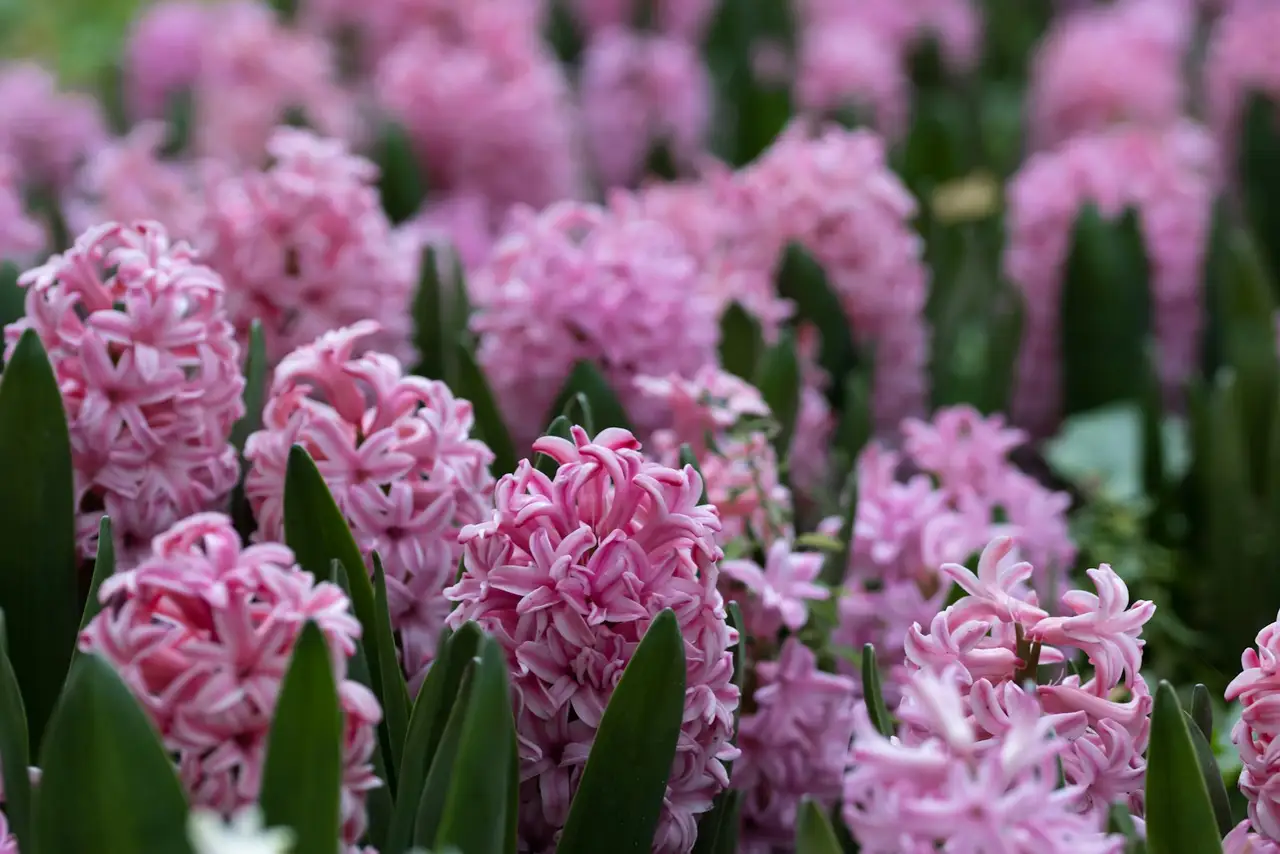
If you have hyacinths in a spring pot, a bulb bag in the garage, or a cut arrangement on the table, the answer is yes: hyacinths are toxic to cats. Are hyacinths toxic to cats? Yes. The ASPCA classifies the hyacinth (Hyacinthus orientalis) as toxic to cats, dogs, and horses. The important detail most pages skip: the bulb is the dangerous part, far more than the flower or leaves.
This guide gives you the sourced verdict, the plant-versus-bulb calibration that actually determines how worried to be, the symptoms and what to do, and a correction of a scary myth that circulates about hyacinth pollen. Every safety claim here is tied to the ASPCA and Pet Poison Helpline.
TL;DR
- Hyacinths are toxic to cats. The ASPCA lists Hyacinthus orientalis as toxic to cats, dogs, and horses.
- The toxins are alkaloids concentrated in the bulb. Per Pet Poison Helpline, the highest concentration of toxin is in the bulbs.
- The flower and leaves are the milder part. Small ingestions cause mild nausea and vomiting; the bulb causes the serious signs.
- Bulb ingestion is the real risk: persistent vomiting, diarrhea (sometimes with blood), drooling, depression, and tremors.
- The scent is not a poisoning route. The “cats die from breathing hyacinth pollen” claim is a myth; the danger is eating the plant, and hyacinth is not a true lily.
- Not a kidney emergency. Unlike true lilies, hyacinth does not cause kidney failure.
- Keep bulbs especially out of reach, and reach for cat-safe spring flowers instead.
Are hyacinths toxic to cats? The short answer
Yes. The ASPCA classifies the hyacinth as toxic to cats, and also to dogs and horses. The toxic principles are alkaloids (the ASPCA describes them as possibly narcissus-like), and they are most concentrated in the bulb. The listed clinical signs are more intense than a mild houseplant: intense vomiting, diarrhea sometimes with blood, depression, and tremors.
| Part of the hyacinth | Toxic to cats? | Risk level | Why |
|---|---|---|---|
| Flower, leaves, stems (small amount) | Yes | Low to moderate | Mild nausea and vomiting; alkaloids present but less concentrated |
| Bulb | Yes | High | Highest toxin concentration; persistent GI signs, tremors, depression |
| Scent or pollen (no eating) | Not a poisoning route | Low | Toxicity is from ingestion, not inhalation; hyacinth is not a true lily |
| Vase water | Low | Low | Not the lily-grade water hazard true lilies pose |
The honest calibration we apply to every plant: toxic is the classification, but severity depends on the part and the amount. A cat that chews a hyacinth leaf faces a very different situation than a cat that digs up and eats the bulb, and that difference is the heart of this article.
What makes hyacinths toxic: the bulb and its alkaloids
The toxins in hyacinths are alkaloids, and per Pet Poison Helpline, whose guidance covers both tulips and hyacinths, the highest concentration of toxin is found in the bulbs. This is the single most useful fact about hyacinth safety, and it changes how you place the plant.
The practical split, straight from the source:
- Small ingestion of leaves, stems, or flowers: mild nausea with vomiting. Uncomfortable, usually self-limiting.
- Consumption of bulb material: persistent gastrointestinal distress, meaning vomiting, loss of appetite, diarrhea, and drooling, plus lethargy. This is the exposure that warrants a prompt call.
The ASPCA’s listed signs (intense vomiting, diarrhea occasionally with blood, depression, and tremors) reflect the more serious end, the kind of reaction bulb ingestion can produce. So hyacinth sits above the mild calcium-oxalate houseplants like peace lily in seriousness, especially where the bulb is involved, while staying well below the true-lily kidney emergency (more on that below). This is the same spring-bulb toxicity pattern we cover for tulips, which share Pet Poison Helpline’s page and the same bulb-is-worst rule.
Symptoms of hyacinth poisoning in cats
Drawing on the ASPCA and Pet Poison Helpline, signs of hyacinth ingestion in a cat can include:
- Drooling and pawing at the mouth
- Vomiting, which can be intense or persistent with bulb ingestion
- Diarrhea, occasionally with blood in more serious cases
- Loss of appetite and lethargy or depression
- Tremors in larger bulb ingestions
Onset is usually within a couple of hours of eating the plant. A cat that nibbled a leaf or petal typically shows the milder end (a little drooling, maybe one bout of vomiting) and settles. A cat that ate bulb material is the one to watch closely, because the vomiting and diarrhea can persist and lead to dehydration, and the tremors and depression signal a bigger dose. If you are unsure how much was eaten, or any part of the bulb was involved, treat it as the more serious case.
The bulb is the dangerous part
Because the toxin concentrates in the bulb, the riskiest hyacinth situations are the ones where a cat can reach a bulb, not just the blooming flower:
- Forced-bulb pots indoors. Those charming winter hyacinth pots sit the bulb right at soil level, easy for a digging cat to reach.
- Stored bulbs. A bag of hyacinth bulbs in the garage, mudroom, or on a potting bench is a concentrated hazard if a cat chews into it.
- Freshly planted garden bulbs. Cats that dig in soft garden soil or fresh containers can unearth and mouth a bulb.
So the placement rule for hyacinths is stricter than for a cut flower: keep the bulbs, not just the blooms, genuinely out of reach. Store bulbs in a closed container in a room your cat cannot access, and if you force bulbs indoors, put the pot somewhere a cat cannot dig in it. Our guide on how to keep cats away from plants covers the placement and deterrent tactics that work.
Are hyacinths safe for cats to smell? The pollen myth, corrected
Here is a claim worth addressing directly, because it circulates on forums and frightens people: that “sensitive cats can die from breathing hyacinth pollen.” It is not supported by the veterinary sources.
The ASPCA and Pet Poison Helpline both describe hyacinth toxicity as an ingestion problem: the harm comes from a cat eating the plant, especially the bulb. Neither describes an inhalation or pollen-fatality mechanism for hyacinths. That mechanism belongs to a completely different plant: the true lily (Lilium and Hemerocallis), whose pollen and even vase water can cause fatal kidney failure in cats. Hyacinth is not a true lily, and the two should not be conflated.
So the accurate answer: a cat sniffing a hyacinth is not being poisoned. The scent is not the danger. The danger is a cat chewing or eating the plant. Place hyacinths so your cat cannot eat them, and the smell is a non-issue.
Hyacinth vs true lily: toxic, but not a kidney emergency
This distinction matters because “lily” appears in so many plant names and the true lilies are in a category of their own for cats.
A true lily (Easter, Tiger, Asiatic, Oriental, Stargazer, or daylily, in the genus Lilium or Hemerocallis) causes acute kidney failure in cats, and even tiny exposures, including pollen groomed off the fur or a drink of vase water, are a life-threatening emergency. We cover that in our guide to whether lilies are toxic to cats.
A hyacinth is genuinely toxic, more so than a mild houseplant when the bulb is eaten, but it works by a different mechanism (alkaloids, GI distress) and does not cause kidney failure. If your cat got into a hyacinth, you are dealing with vomiting and diarrhea to manage, not a race against kidney damage. That is a meaningful difference in urgency, and it is why identifying the plant correctly matters so much.
What to do if your cat ate a hyacinth
Calm, in order:
- Take the plant and any bulb material away, and remove pieces from your cat’s mouth if they will let you, gently.
- Note what was eaten, especially whether any bulb was involved. This is the detail that changes how serious the situation is.
- Do not induce vomiting at home. The at-home methods used for dogs are unsafe for cats, and bulb ingestion is a case for professional guidance.
- Call for help. For a leaf or flower nibble, watch for mild GI upset and call your vet if it does not settle. For any bulb ingestion, or intense or persistent vomiting, diarrhea, tremors, or depression, call promptly. Your vet, the ASPCA Animal Poison Control Center (888-426-4435), or Pet Poison Helpline (855-764-7661) can triage by phone.
- Watch for dehydration if vomiting and diarrhea are ongoing; that, not organ failure, is the realistic complication with hyacinth.
Grape hyacinth and other look-alikes
Grape hyacinth (Muscari) is a different plant from the true hyacinth, despite the shared name and the similar spring-bulb habit. Because Muscari is not listed in the ASPCA’s plant database, we cannot cite it as either safe or toxic on their authority, and the honest position is to treat it cautiously rather than guess. Keep grape hyacinth away from cats the same way you would a true hyacinth, and if your cat eats some, watch for GI upset and call a poison line if unsure.
The broader point: spring bulbs are a category worth treating carefully around cats. Tulips and daffodils sit in the same toxic-bulb neighborhood as hyacinths, with the bulb as the dangerous part in each.
Are hyacinths toxic to dogs?
Yes. The same ASPCA entry lists hyacinth as toxic to dogs as well as cats and horses, and the same Pet Poison Helpline guidance applies: the bulb holds the highest toxin concentration, small ingestions of leaves or flowers cause mild GI upset, and bulb ingestion causes more serious, persistent signs. Dogs are actually more likely than cats to dig up and eat bulbs, so the stored-bulb and garden-bulb precautions matter even more in a dog household. The same emergency numbers apply.
What to skip, and cat-safe spring flowers
- Skip leaving bulbs accessible. This is the most important single step: stored bulbs, forced-bulb pots, and freshly planted garden bulbs are the real hazard.
- Skip the panic about the scent. Smelling a hyacinth does not poison a cat; eating it does.
- Skip assuming hyacinth is as dangerous as a true lily. It is toxic, but it is not the kidney emergency lilies are. Save that vigilance for actual lilies.
- Choose cat-safe spring flowers instead. For arrangements you do not have to worry about, our roundup of cat-safe flowers verified against the ASPCA list covers non-toxic options, and our peonies and cats guide handles another common bouquet flower the same calibrated way.
Frequently asked questions
Are hyacinths toxic to cats?
Yes. The ASPCA classifies the hyacinth (Hyacinthus orientalis) as toxic to cats, dogs, and horses. The toxins are alkaloids concentrated in the bulb, and they cause vomiting, diarrhea, drooling, and in larger bulb ingestions, tremors and depression. A cat that nibbles a leaf or flower usually gets mild stomach upset; a cat that eats the bulb is the real concern. Hyacinth is not a true lily and does not cause kidney failure.
Are hyacinths safe for cats to smell?
The scent itself is not a poisoning route. Hyacinth toxicity comes from a cat eating the plant, especially the bulb, not from breathing the fragrance. You may see forum claims that cats can die from breathing hyacinth pollen; the veterinary sources describe ingestion toxicity, not inhalation, and hyacinth is not a true lily. A cat sniffing a hyacinth is fine. The practical move is placement: keep the plant, and especially any bulbs, where your cat cannot chew them.
What part of the hyacinth is most toxic to cats?
The bulb. Per Pet Poison Helpline, the highest concentration of toxin is found in the bulbs. Small amounts of the leaves, stems, or flowers usually cause only mild nausea and vomiting, but eating bulb material can cause persistent vomiting, diarrhea, drooling, and lethargy. The dangerous scenarios are a cat digging up a planted bulb, getting into a bag of stored bulbs, or a forced-bulb pot indoors.
What should I do if my cat ate a hyacinth?
If your cat nibbled a leaf or flower, watch for mild vomiting or drooling and call your vet if it does not settle. If your cat ate any of the bulb, treat it more seriously and call promptly, because bulb ingestion can cause persistent vomiting, diarrhea, tremors, and depression. Do not induce vomiting at home. Reach your veterinarian, the ASPCA Animal Poison Control Center at 888-426-4435, or Pet Poison Helpline at 855-764-7661, and say how much of the bulb was eaten if you know.
Are grape hyacinths toxic to cats?
Grape hyacinth (Muscari) is a different plant from the true hyacinth (Hyacinthus orientalis), despite the shared name, so do not assume the profiles are identical. Muscari is not listed in the ASPCA’s database, which means we cannot confirm it as either safe or toxic on their authority, so the cautious approach is to keep it away from cats the same way you would a true hyacinth. If your cat eats any Muscari, watch for GI upset and call a poison line if you are unsure.
The bottom line
Hyacinths are toxic to cats, and the useful nuance is where the danger lives: in the bulb. The flower and leaves cause mild stomach upset in small amounts, but the bulb, whether planted, stored, or forced in a winter pot, holds the concentrated toxin and causes the persistent vomiting, diarrhea, and tremors that warrant a vet call. The scent is not a poisoning route, and hyacinth is not the kidney emergency a true lily is. Keep the bulbs out of reach, place the blooms thoughtfully, and lean on cat-safe spring flowers when you want an arrangement you do not have to think about.
Sources: ASPCA, Hyacinth (toxic to cats) | Pet Poison Helpline, Tulips & Hyacinths Are Toxic To Pets