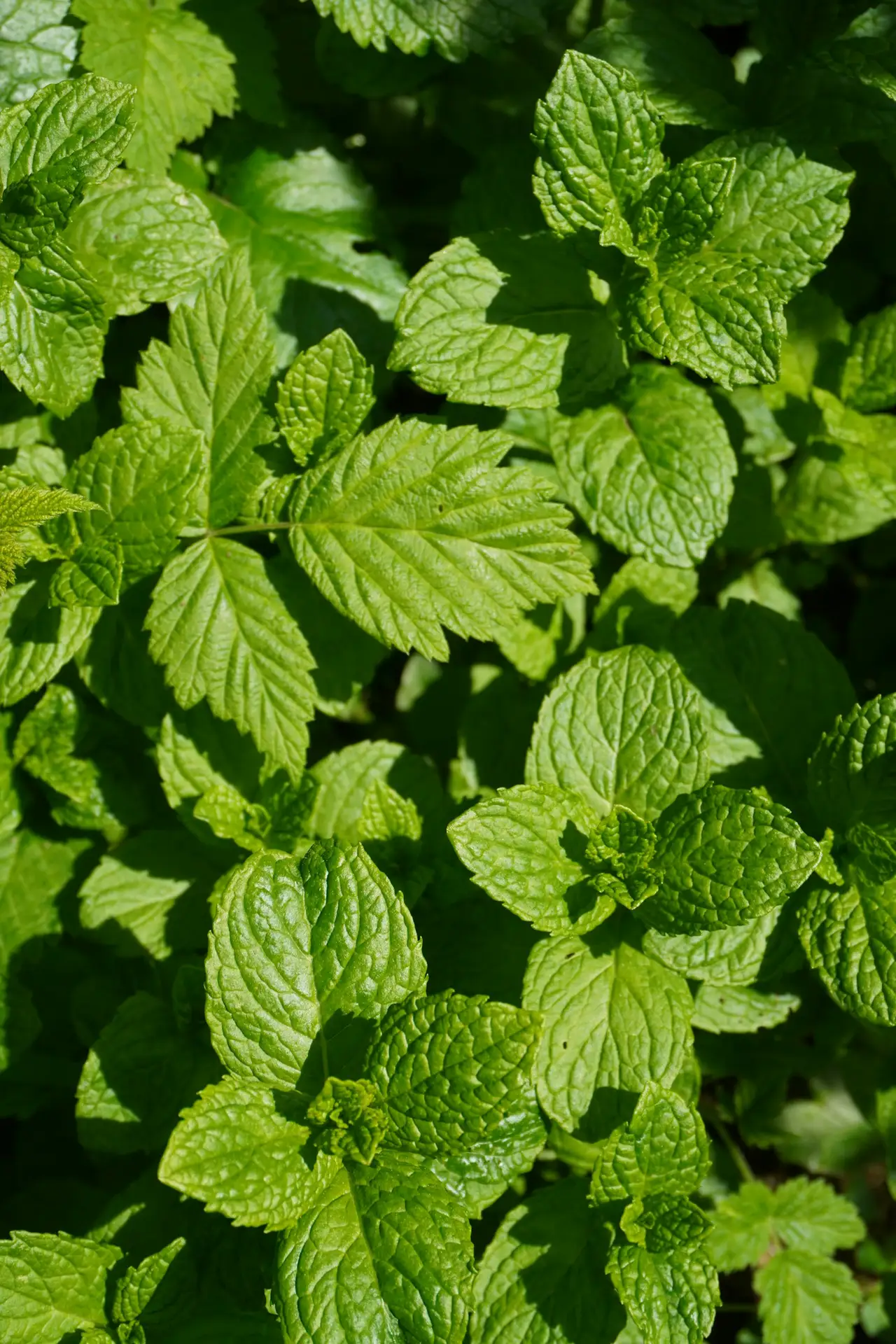
If you diffuse peppermint oil, keep a bottle for headaches, or have seen it suggested as a natural flea remedy, here is the answer your cat needs you to hear: peppermint oil is not safe for cats. Is peppermint oil safe for cats? No. Peppermint essential oil is toxic to cats whether it is swallowed, absorbed through the skin, or inhaled, and veterinary sources agree there is no established safe dose.
That firm answer comes from the authorities, not from an essential-oil seller. Cats are uniquely bad at processing essential oils, and peppermint oil specifically appears on every veterinary list of oils that poison them. This guide gives you the sourced verdict, why cats are so vulnerable, the important difference between the mint plant and the concentrated oil, the flea-remedy mistake to never make, and what to do if your cat is exposed. Every safety claim here is tied to the ASPCA, Pet Poison Helpline, and the American College of Veterinary Pharmacists.
TL;DR
- Peppermint oil is toxic to cats. It is dangerous whether licked, absorbed through skin, or inhaled.
- Cats cannot break it down. Per Pet Poison Helpline, cats lack a key liver enzyme for essential oils and are very sensitive to the phenols in them.
- There is no safe dose. The American College of Veterinary Pharmacists states there is no established threshold for toxicity in cats.
- The plant is mild; the oil is the danger. The ASPCA lists the mint plant as mildly toxic (vomiting or diarrhea only with large ingestions), with its essential oils as the toxic principle.
- Never put peppermint oil on a cat for fleas. Skin absorption makes this a common poisoning route.
- Diffusing is not safe either, because of airway irritation and droplets that settle on the coat.
- Symptoms can be serious: drooling, tremors, wobbliness, breathing trouble, and in bad cases liver failure.
Is peppermint oil safe for cats? The short answer
No. Peppermint essential oil is toxic to cats. Per the American College of Veterinary Pharmacists, peppermint oil (listed in some products as menthol) is toxic to cats when ingested or inhaled, and there is no established threshold for toxicity, meaning no dose has been shown to be safe. Pet Poison Helpline lists peppermint oil among the essential oils known to poison cats. This is a clear no, not a “use with caution.”
| Form of peppermint | Safe for cats? | Risk level | Why |
|---|---|---|---|
| Essential oil (licked, on skin, or inhaled) | No | High | Cats cannot metabolize it; no safe dose; tremors and liver failure are possible |
| Applied to a cat for fleas | No, never | High | Absorbed directly through the skin; a common poisoning route |
| Diffused or passive scent | No, avoid | Low to moderate | Passive scent can irritate the airways; spills and licking are worse |
| Peppermint or mint plant (leaves) | Mildly toxic | Low | ASPCA: vomiting or diarrhea only with large ingestions; the oils are the toxic principle |
The calibration we apply to every plant still holds: severity depends on the form and the amount. A cat nibbling a mint leaf is a minor matter. Concentrated peppermint essential oil is a genuine poisoning risk, and the gap between those two is the whole point of this article.
Why cats cannot handle peppermint oil
Cats have a specific metabolic blind spot that makes essential oils more dangerous to them than to people or dogs.
Per Pet Poison Helpline, essential oils are rapidly absorbed both orally and across the skin, and are then processed by the liver. Cats lack an essential liver enzyme that other animals use to metabolize and clear these compounds, so the oils linger and build up rather than being broken down. On top of that, cats are very sensitive to phenols and phenolic compounds, which are present in many essential oils. The higher the concentration of the oil, the higher the risk.
Peppermint oil sits squarely in this danger zone. It is one of the oils Pet Poison Helpline names as known to cause poisoning in cats, alongside tea tree, wintergreen, pine, cinnamon, clove, and eucalyptus oils. Because a cat cannot efficiently eliminate what it absorbs, and because there is no established safe dose, the safe assumption is that any exposure to the concentrated oil is too much.
This is the same metabolic reason we flag the oil as the bigger hazard in our guides to lavender and cats and eucalyptus and cats. Peppermint belongs in firmer territory than lavender, because peppermint oil is on the named poisoning list and lavender is not.
The peppermint plant vs the oil: a key distinction
Here is the nuance that keeps your worry accurate, and it comes straight from the ASPCA.
The ASPCA lists mint (Mentha species, which includes peppermint) as toxic to cats, dogs, and horses. But two details matter. First, the clinical signs from the plant are mild: vomiting and diarrhea, and only with large ingestions. Second, and tellingly, the ASPCA names the plant’s toxic principle as its essential oils.
That single fact explains everything. The compounds that make the mint plant mildly irritating are the same compounds that, concentrated into an essential oil, become a real hazard. A fresh mint leaf contains a tiny, diluted amount of those oils. A bottle of peppermint essential oil is those same compounds concentrated many times over.
So the practical takeaway: a cat that chews a mint leaf from a windowsill herb pot is a low-level concern, the kind of thing that might cause a little stomach upset if the cat really overdid it. The concentrated peppermint oil is a different category of risk entirely, and it is the one to keep away from your cat.
Symptoms of peppermint oil poisoning in cats
Drawing on Pet Poison Helpline and the American College of Veterinary Pharmacists, signs of peppermint oil exposure in a cat can include:
- Drooling or pawing at the mouth, often the first sign after licking or grooming oil off the coat
- Vomiting
- Tremors or muscle twitching, and wobbliness (ataxia)
- Altered mental status, lethargy, or unusual fatigue
- Difficulty breathing or respiratory distress
- Low heart rate and low body temperature
- Liver failure in serious cases
Exposure can happen by ingestion, through the skin, or by inhalation, and symptoms can develop quickly. Because there is no established safe dose, do not wait to see how bad it gets if you know your cat contacted the oil. Mild early signs can progress, and the liver effects are the reason essential-oil exposures are taken seriously by veterinary toxicologists.
Is the smell of peppermint oil safe for cats? Diffusers and scent
Diffusing peppermint oil is not a safe workaround, and the reason splits into two routes.
A passive diffuser (reeds, or a personal diffuser) mainly releases scent. Per Pet Poison Helpline, the main hazard from passive diffusers is respiratory irritation: inhaling strong fragrances can give a cat a watery nose or eyes, a burning sensation in the nose and throat, nausea that leads to drooling or vomiting, and difficulty breathing. Cats with asthma or other airway conditions are especially vulnerable.
An active diffuser (heat or motorized) is worse, because it disperses fine droplets of actual oil into the air. Those droplets settle on surfaces and on your cat’s coat, and when the cat grooms, the airborne exposure becomes an ingestion. A diffuser that tips over near a cat, or a personal diffuser a cat licks, is a direct poisoning risk.
The honest bottom line: there is no version of peppermint oil diffusion that is reliably safe for a cat. If a fresh-smelling home matters to you and you share it with a cat, the diffuser is the thing to give up.
Never use peppermint oil on cats for fleas
This deserves its own warning, because it is one of the most common ways cats get poisoned by essential oils, and it usually comes from good intentions.
Peppermint oil gets passed around as a natural flea remedy. Applied to a cat, it is absorbed directly through the skin, which is one of the routes the veterinary sources flag as toxic. There is no safe concentration to put on a cat, and the cat will also groom the area and swallow more of it. This is the same mistake people make with tea tree oil, which is the single most common essential-oil poisoning in pets for exactly this reason.
If your cat has a flea problem, use a product your veterinarian recommends that is labeled for cats. If you have already applied peppermint oil to your cat, wash it off the coat and skin with mild dish soap and warm water, and call your vet or a poison line for guidance.
What to do if your cat is exposed to peppermint oil
Act promptly, in this order:
- Separate your cat from the source. Move the oil, turn off the diffuser, and take your cat to a well-ventilated room.
- If oil is on the skin or coat, wash it off with mild dish soap and warm water to stop further absorption.
- Do not induce vomiting. Bringing an oil back up can cause more harm; let a professional direct the response.
- Call for help right away. Your veterinarian, the ASPCA Animal Poison Control Center (888-426-4435), or Pet Poison Helpline (855-764-7661) can triage by phone. Have the product and its concentration ready to describe.
- Watch for the symptoms above and get to a vet quickly if any appear, since the liver effects make this exposure one to take seriously.
Safer choices for a fresh-smelling home with cats
You do not have to choose between a pleasant home and a safe cat. You just skip the essential oils.
- Skip peppermint oil diffusion, sprays, and cleaners in a cat household. There is no safe-to-diffuse amount.
- Skip DIY pest and “calming” oil recipes on or near your cat. Use vet-recommended products instead.
- Ventilate and use unscented or cat-safe options. Open windows, simmer cat-safe herbs, or choose fragrance-free cleaning rather than oils.
- Give your cat its own greenery. A pot of cat grass gives a plant-curious cat a safe target. If you grow kitchen herbs, basil is non-toxic to cats, unlike mint.
- Keep the deterrents cat-safe too. Our guide on how to keep cats away from plants explains why essential-oil sprays (peppermint included) are the wrong tool and what to use instead.
Frequently asked questions
Is peppermint oil safe for cats?
No. Peppermint essential oil is toxic to cats whether it is licked, absorbed through the skin, or inhaled. Cats lack a liver enzyme needed to break down essential oils and are highly sensitive to the phenols in them, and the American College of Veterinary Pharmacists notes there is no established safe dose for cats. Even the mint plant is mildly toxic to cats, but the concentrated oil is the real danger and should be kept away from cats entirely.
What happens if my cat licks peppermint oil?
Treat it as a poisoning and act quickly. Per Pet Poison Helpline and the American College of Veterinary Pharmacists, peppermint oil can cause drooling, vomiting, tremors, wobbliness, altered mental status, low heart rate, breathing trouble, and in serious cases liver failure. Do not try to make your cat vomit. Call your veterinarian, the ASPCA Animal Poison Control Center at 888-426-4435, or Pet Poison Helpline at 855-764-7661 right away, and bring the product label if you can.
Is peppermint oil safe for cats to smell or diffuse?
It is not a safe choice. A passive diffuser can release enough scent to irritate a cat’s airways, causing a watery nose or eyes, drooling, or breathing trouble, and an active diffuser puts fine oil droplets in the air that settle on the coat and get groomed off and swallowed. A tipped-over diffuser or a licked personal diffuser is a direct poisoning risk. If you want a fresh-smelling home with a cat, skip peppermint oil diffusion entirely.
Can I use peppermint oil on my cat for fleas?
No, never. Applying peppermint oil to a cat for fleas is one of the most common ways cats are poisoned by essential oils, because the oil is absorbed straight through the skin. There is no safe concentration to apply to a cat. Use a flea product your veterinarian recommends and labeled for cats, not an essential oil. If you have already applied peppermint oil to your cat, wash it off with mild dish soap and call your vet or a poison line.
Is the peppermint plant toxic to cats too?
Yes, but mildly. The ASPCA lists mint (Mentha species, which includes peppermint) as toxic to cats, with vomiting and diarrhea expected only with large ingestions. The ASPCA names the plant’s toxic principle as its essential oils, which is exactly why the concentrated oil is far more dangerous than a leaf. A cat that nibbles a mint leaf is a minor concern; a cat exposed to peppermint essential oil is a real one.
The bottom line
Peppermint oil is a clear no for cats. Three independent authorities agree the oil is toxic, cats cannot metabolize it, and there is no dose shown to be safe. The mint plant itself is only mildly toxic, which is a useful reminder that the danger scales with concentration, and the essential oil is concentration at its peak. Keep the oil out of your diffuser, never put it on your cat for fleas, and reach for vet-recommended products and cat-safe greenery instead. Your home can smell fresh and your cat can stay safe; it just cannot be peppermint oil that does it.
Sources: ASPCA, Mint (toxic to cats, toxic principle: essential oils) | Pet Poison Helpline, Essential Oils and Cats | American College of Veterinary Pharmacists, Peppermint Oil