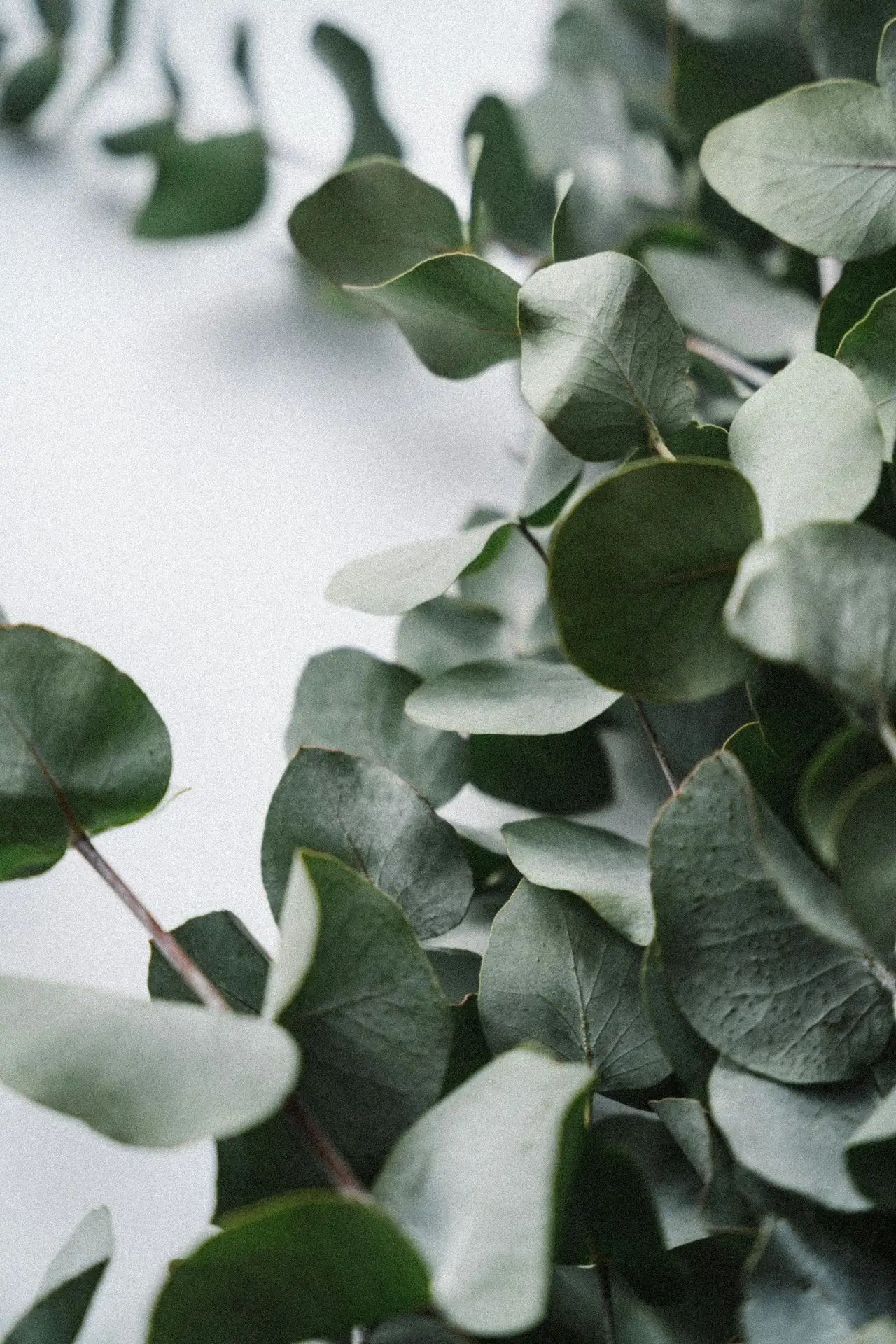
If you have a eucalyptus plant, a dried bundle hanging in the shower, or a bottle of the essential oil, here is the answer you came for: eucalyptus is not safe for cats. Is eucalyptus safe for cats? No. The ASPCA classifies eucalyptus as toxic to cats, dogs, and horses. The plant causes drooling, vomiting, and diarrhea if a cat chews it, and the concentrated essential oil is a more serious hazard than the plant itself.
That two-part picture is the whole story, and it is the part most articles blur. The fresh or dried plant is toxic but usually mild for a small nibble. The essential oil is the form that can cause genuinely severe effects. This guide gives you the sourced verdict, the symptoms and timeline, the popular shower-eucalyptus question, and the safe swaps, with every safety claim tied to the ASPCA and Pet Poison Helpline.
TL;DR
- Eucalyptus is toxic to cats. The ASPCA lists it as toxic to cats, dogs, and horses, with drooling, vomiting, diarrhea, weakness, and depression as the signs.
- The toxic compound is eucalyptol. Cats are exposed by chewing leaves or by contact with essential-oil products.
- Small plant exposure is usually mild. Per Pet Poison Helpline, a few leaves or low-concentration oil cause minor nausea.
- The essential oil is the serious tier. Concentrated eucalyptus oil, swallowed or on the skin, can cause neurologic signs and, rarely, kidney impairment.
- Dried and shower eucalyptus still count. Dried stems are the same toxic plant; a chewing cat is the real risk.
- The scent alone is the lowest tier. Smelling it is not poisoning; active oil diffusion is what raises the risk.
- Keep the plant, dried stems, and oil away from cats, and reach for genuinely cat-safe greenery instead.
Is eucalyptus safe for cats? The short answer
No. The ASPCA classifies eucalyptus (listed simply as Eucalyptus species) as toxic to cats, and also to dogs and horses. The listed clinical signs are salivation, vomiting, diarrhea, depression, and weakness. So this is a genuinely toxic plant, not a borderline one, and the level of concern climbs sharply when you move from the plant to its concentrated oil.
| Form of eucalyptus | Safe for cats? | Risk level | Why |
|---|---|---|---|
| Fresh plant or leaves | No, toxic | Low to moderate | ASPCA toxic; eucalyptol causes drooling, vomiting, diarrhea |
| Dried stems (including shower bundles) | No, toxic | Low to moderate | Same plant compounds; chewed fallen stems are the real risk |
| Essential oil | No | High | Concentrated eucalyptol; neurologic signs, rarely kidney (per PPH) |
| Passive scent only | Low risk on its own | Low | Smelling it is not poisoning; active oil diffusion raises the risk |
The honest calibration we apply to every plant: toxic is the classification, but the severity depends entirely on the form and the amount. A cat that bats at a eucalyptus stem and chews a leaf faces a different situation than a cat exposed to the essential oil, and treating those as the same thing either over-scares or, worse, under-warns.
Why eucalyptus is toxic to cats: eucalyptol
The compound behind the toxicity is eucalyptol (also called 1,8-cineole), the aromatic oil that gives eucalyptus its sharp, clean scent. Per Pet Poison Helpline, animals are exposed to eucalyptol either by eating eucalyptus leaves or through products that contain the essential oil.
Here is the calibration that matters, stated the way the toxicology source states it. Small ingestions, a few leaves or a low concentration of eucalyptus oil, cause minor nausea. That fits the ASPCA’s “mild” symptom picture and matches what most worried owners actually see: a cat that chewed a stem, drooled, maybe vomited once, and recovered.
The danger climbs with concentration, which is exactly why the oil is a separate conversation from the plant.
Eucalyptus essential oil: the serious tier
Eucalyptus essential oil is the plant’s eucalyptol concentrated many times over, and concentration is what cats handle worst.
Per Pet Poison Helpline, exposure to highly concentrated eucalyptus essential oil, whether the cat swallows it or absorbs it through the skin, can result in severe signs including neurologic abnormalities and, rarely, kidney impairment. That is a real step up from the plant’s mild GI upset. Cats are especially vulnerable to essential oils in general because their livers lack some of the machinery other animals use to process these compounds, so the oils linger and build up.
The exposure routes that matter with the oil:
- Skin or fur contact, including oil applied to a cat or that drips onto the coat, which is then groomed off and swallowed.
- Ingestion of spilled oil or an oil-soaked product.
- Heavy diffuser use, which puts fine oil droplets into the air that land on the fur and lead back to grooming.
You will find blogs that list eucalyptus or other essential oils as “cat-friendly.” Do not take that on faith. The veterinary toxicology sources are clear that concentrated eucalyptus oil is a serious hazard for cats, and we keep to what those sources actually say. If you use eucalyptus essential oil in any form, keep it completely away from your cat and off your cat’s body.
Is dried eucalyptus safe for cats? Shower eucalyptus and bundles
This is the question behind a lot of eucalyptus-and-cat worry, because dried eucalyptus bundles hung in the shower are everywhere right now. The short answer: dried eucalyptus is not safe for cats, for two reasons.
First, dried eucalyptus is the same toxic plant as fresh eucalyptus. Drying does not remove eucalyptol. A cat that chews a dried stem, or chews the leaves and bits that drop off a hanging bundle, gets the same plant exposure and the same potential for drooling, vomiting, and stomach upset.
Second, the shower setup adds the steam factor. Hot water releases the plant’s aromatic oils into the air, which is the whole point of a shower bundle, but it also means the eucalyptus scent (and a small amount of its aromatic compounds) is circulating in a space your cat may share.
So if you love the look and the spa scent, manage it deliberately:
- Hang the bundle somewhere a cat genuinely cannot reach, not just somewhere that seems high enough; cats climb.
- Pick up dropped leaves and stem pieces immediately, because those are what a cat actually chews.
- Ventilate the bathroom, and keep your cat out of a small closed steamy space with the bundle.
- Skip it entirely if your cat is a determined plant-chewer or has asthma or another respiratory condition.
Is the smell of eucalyptus bad for cats? Diffusers and scent
The scent on its own is the lowest tier of risk, but “scent” hides an important split between passive and active.
A eucalyptus plant or a dried bundle giving off its natural aroma is not a poisoning event for a healthy cat. Passive smell is not the same as ingestion. The picture changes with an active essential-oil diffuser, which disperses fine droplets of actual oil into the air; those droplets settle on surfaces and on your cat’s coat, where grooming turns an air-quality issue into a swallowing one.
Practical rules for scent:
- A growing plant or plain dried bundle, kept out of chewing reach, is low-risk.
- If you run a eucalyptus essential-oil diffuser, use it only in a room your cat cannot enter, and keep that room ventilated.
- Cats with asthma or other airway conditions are more sensitive to airborne irritants; skip oil diffusion around them entirely.
- Stop immediately if your cat coughs, drools, sneezes repeatedly, or seems off.
This is the same proportional approach we take with lavender and cats, another plant where the oil is far riskier than the plant.
Symptoms of eucalyptus exposure in cats, and when to call
Match your response to the form of exposure.
If your cat chewed the plant (fresh or dried): watch for the ASPCA-listed signs, salivation or drooling, vomiting, and diarrhea, plus possible weakness or low energy. A small exposure usually means minor, short-lived stomach upset. Call your vet if vomiting is repeated or persistent, or if your cat seems genuinely lethargic rather than briefly queasy.
If your cat was exposed to eucalyptus essential oil, by licking it, getting it on the skin or fur, or heavy diffuser contact, treat it as the more serious case. Watch for stumbling or unsteadiness, tremors, unusual drowsiness, or any neurologic change, and act promptly rather than waiting it out.
Either way, keep these numbers handy:
- ASPCA Animal Poison Control Center: 888-426-4435
- Pet Poison Helpline: 855-764-7661
One firm rule: do not try to make your cat vomit after an oil exposure unless a veterinarian or poison-control professional tells you to. Bringing an oil back up can make things worse.
Is eucalyptus toxic to dogs too?
Yes. The same ASPCA entry lists eucalyptus as toxic to dogs as well as cats and horses, driven by the same eucalyptol, with the same signs: drooling, vomiting, diarrhea, weakness, and depression. Concentrated eucalyptus oil is a serious risk for dogs too. We cover the dog side in full in our guide to whether eucalyptus is safe for dogs. The placement and oil precautions here apply to both species, with the usual dog adjustment that a bored dog will eat an entire dropped bundle rather than just nibble.
What to skip, and safer choices
- Skip diffusing eucalyptus oil in shared or closed rooms. This is the single most avoidable serious risk. Diffuse only where your cat cannot go, or not at all.
- Skip applying anything eucalyptus-scented to your cat. Eucalyptus oil is sometimes marketed for pet uses; do not put essential oils on a cat.
- Skip the low shower bundle if your cat can reach it or chews plants.
- Give your cat its own greenery. A pot of cat grass satisfies the chewing urge with something genuinely safe, lowering the odds your cat bothers with the eucalyptus at all.
- Choose verified-safe plants for shared spaces. Our roundup of cat-safe flowers verified against the ASPCA list covers non-toxic options, and basil is a non-toxic herb if it is greenery and scent you are after. For the full set of placement and deterrent tactics, see how to keep cats away from plants.
Frequently asked questions
Is eucalyptus safe for cats?
No. The ASPCA classifies eucalyptus as toxic to cats, dogs, and horses. The plant contains eucalyptol, which causes drooling, vomiting, and diarrhea if a cat chews the leaves. A small nibble usually causes only minor stomach upset, but concentrated eucalyptus essential oil is far more dangerous and can cause neurologic signs. Keep the plant, dried stems, and especially the oil away from your cat.
Can I have dried eucalyptus in my shower if I have a cat?
It is not a great idea. Dried eucalyptus is the same toxic plant as fresh eucalyptus, so a cat that chews fallen stems or leaves can get the same eucalyptol exposure. The shower steam also releases the plant’s aromatic oils into the air. If you want the spa look, hang the bundle where your cat absolutely cannot reach it, pick up any dropped pieces immediately, and skip it entirely if your cat is a chewer or has asthma.
Is the smell of eucalyptus bad for cats?
The passive scent of a eucalyptus plant or dried bundle is the lowest-risk form and rarely causes a problem on its own; the danger is in chewing the plant or in active essential-oil diffusion. A diffuser puts fine oil droplets into the air that settle on a cat’s fur and get groomed off and swallowed. If you diffuse eucalyptus oil, do it only in a room your cat cannot enter, and stop if your cat coughs, drools, or seems off.
Is eucalyptus essential oil safe for cats?
No, and it is the most dangerous form. Per Pet Poison Helpline, concentrated eucalyptus essential oil, whether swallowed or absorbed through the skin, can cause severe signs including neurologic abnormalities and, rarely, kidney impairment. Cats cannot metabolize essential oils well, so the oil is in a different and more serious risk category than the plant. Never apply eucalyptus oil to a cat or leave it where a cat could lick it.
Is eucalyptus toxic to dogs too?
Yes. The same ASPCA entry classifies eucalyptus as toxic to dogs as well as cats and horses, with the same eucalyptol-driven signs: drooling, vomiting, diarrhea, weakness, and depression. Concentrated eucalyptus oil is a serious risk for dogs too. The plant, dried stems, and oil should be kept away from both species.
The bottom line
Eucalyptus is a clear no for cats, with a useful nuance: the plant and dried stems are toxic but usually mild for a small nibble, while the essential oil is the form that can cause severe, neurologic effects. The ASPCA lists the plant as toxic, Pet Poison Helpline pins the danger on eucalyptol and flags the concentrated oil as the real hazard, and the popular shower bundle is just dried eucalyptus by another name. Keep all of it out of reach, never put the oil near your cat, and lean on genuinely cat-safe greenery when you want a green, fresh-smelling home your cat can share.
Sources: ASPCA, Eucalyptus (toxic to cats) | Pet Poison Helpline, Eucalyptus (eucalyptol; concentrated oil severe)