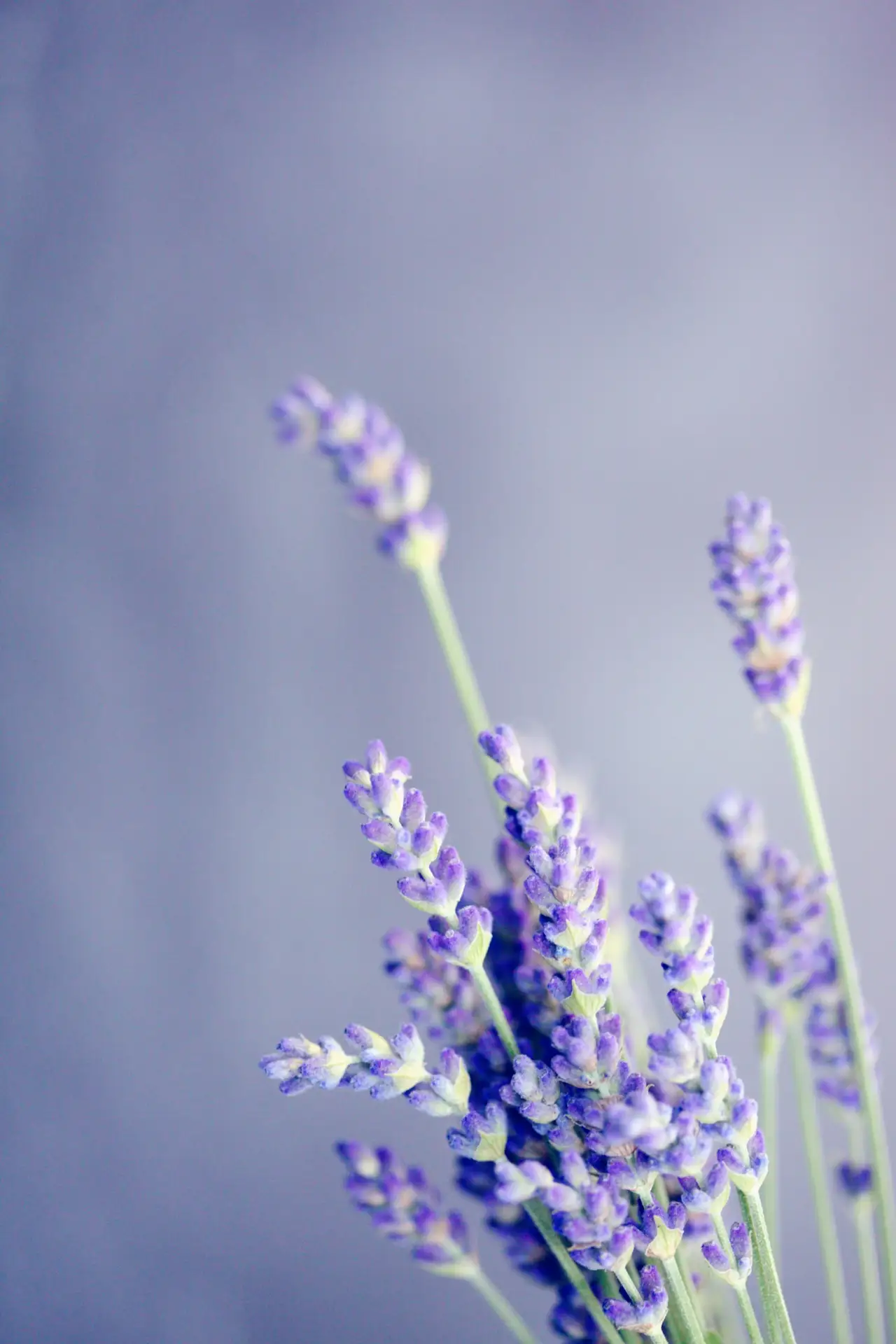
If you grow lavender, keep dried bundles around the house, or run a lavender diffuser, the honest answer is that lavender and cats need a little care. Is lavender safe for cats? Not fully. The ASPCA lists the lavender plant as toxic to cats, though the plant itself causes only a mild, stomach-level reaction. The part that deserves real attention is lavender essential oil, which is a different and more serious story.
This guide separates the three things people lump together: the growing or dried plant, the concentrated essential oil, and the scent in the air. Each carries a different level of risk, and getting that proportion right is the difference between needless panic and a genuine precaution. Every safety claim here is sourced to the ASPCA and Pet Poison Helpline.
TL;DR
- The lavender plant is mildly toxic to cats. The ASPCA classifies lavender (Lavandula angustifolia) as toxic, with mild signs: nausea, vomiting, and loss of appetite if a cat eats it.
- Lavender essential oil is the real concern. Cats cannot metabolize essential oils well, so the concentrated oil is far more dangerous than the plant.
- The scent alone is the lowest tier. A lavender plant or sachet giving off a faint smell is a minor issue; active oil diffusion is what raises the risk.
- Dried lavender carries the same mild plant toxicity, plus the catch that sachets are often soaked in essential oil.
- Lavender oil is not the worst oil. Tea tree, wintergreen, peppermint, and others are more dangerous to cats, but cats handle all essential oils poorly.
- If your cat got into lavender oil, call your vet, ASPCA Animal Poison Control (888-426-4435), or Pet Poison Helpline (855-764-7661).
Is lavender safe for cats? The short answer
No, lavender is not fully safe for cats, but the level of concern depends entirely on the form. The ASPCA classifies the lavender plant (Lavandula angustifolia) as toxic to cats, dogs, and horses, with mild clinical signs: nausea, vomiting, and a reduced appetite if eaten. That makes the plant a low-level hazard, the kind that causes an upset stomach, not an emergency. The concentrated essential oil is the form that earns genuine caution.
| Form of lavender | Safe for cats? | Risk level | Why |
|---|---|---|---|
| Fresh or growing plant | No, mildly toxic | Low | ASPCA: nausea, vomiting, loss of appetite if eaten |
| Dried lavender | No, mildly toxic | Low | Same plant compounds; sachets often add essential oil |
| Lavender essential oil | No | Moderate to high | Concentrated; cats cannot metabolize essential oils well |
| Scent only (plant or passive sachet) | Usually low risk | Low | Passive smell is the lowest tier; active diffusion raises it |
The honest calibration we apply to every plant: toxic does not always mean dangerous, and the word “lavender” covers forms that range from a minor stomachache to a real poisoning risk. Keep those apart and the whole topic gets clearer.
The lavender plant: mildly toxic, rarely serious
A lavender plant on a windowsill or a few cut stems in a vase is a low-level concern. Per the ASPCA, the toxic principle in lavender (linalool and linalyl acetate, the compounds behind its scent) can cause nausea, vomiting, and loss of appetite when a cat eats the plant. Those are uncomfortable but self-limiting signs, the kind of GI upset that resolves on its own.
In practice, most cats are not interested in eating lavender. Its strong aroma, the very thing people grow it for, tends to put cats off, and lavender is not one of the plants cats are drawn to chew. So a growing lavender plant is closer to the mild end of the toxic scale, similar to other common houseplants like aloe vera that are technically toxic but rarely cause more than a stomach upset.
The sensible move is the same one that works for any mildly toxic plant: keep it out of easy reach, and if your cat is a determined plant-chewer, redirect that urge. A pot of cat grass gives a plant-curious cat a safe target, and our guide on how to keep cats away from plants covers the placement and deterrent tactics that work.
Lavender essential oil: the part to actually worry about
Here is where lavender goes from minor to meaningful. Lavender essential oil is the plant’s compounds concentrated many times over, and concentration is exactly what cats handle badly.
Per Pet Poison Helpline, essential oils “can pose a toxic risk to household pets, especially to cats.” The reason is a quirk of feline biology: essential oils are rapidly absorbed, both when swallowed and through the skin, and are then processed by the liver. Cats lack a key liver enzyme that other animals use to metabolize and clear these compounds, so the oils linger and build up. Cats are also especially sensitive to phenols, a class of compound found in many essential oils. The higher the concentration of the oil, the higher the risk.
That is why a cat brushing past a lavender plant is a minor issue, while lavender essential oil is a real one. The exposure routes that matter:
- Skin or fur contact. Oil applied to a cat, or that drips onto its coat, is absorbed through the skin and then groomed off and swallowed.
- Ingestion. A cat that licks spilled oil or an oil-soaked product gets a concentrated dose.
- Heavy diffuser exposure. Active diffusers put fine oil droplets in the air that settle on the fur, leading back to grooming and ingestion.
Symptoms of an essential-oil exposure are more serious than the plant’s mild GI signs. Per Pet Poison Helpline, they can include drooling, vomiting, tremors, wobbliness (ataxia), difficulty breathing, a low heart rate, low body temperature, and in serious cases liver failure. If you use lavender essential oil in any form, keep it fully out of your cat’s reach and off your cat’s body.
Is the smell of lavender bad for cats? Diffusers, sachets, and scent
The scent itself is the lowest-risk tier, but “scent” hides an important distinction between passive and active diffusion.
A lavender plant, a bowl of dried buds, or a passive reed diffuser gives off a faint aroma without throwing much oil into the air. That passive smell is rarely a problem for a healthy cat on its own. The picture changes with active diffusion. A heat diffuser or a motorized (nebulizing) diffuser disperses fine droplets of actual essential oil into the air, and those droplets land on surfaces and on your cat’s coat, where grooming turns an air-quality issue into an ingestion one.
So the practical rules for scent:
- A growing plant or plain sachet is low-risk. No special action needed beyond normal placement.
- If you run an essential-oil diffuser, use it in a room your cat cannot enter, keep that room well ventilated, and never use it in a small, closed space your cat shares.
- Cats with asthma or other respiratory conditions are more sensitive to airborne irritants, so skip oil diffusion around them entirely.
- Stop immediately if your cat coughs, drools, sneezes repeatedly, or seems off after diffusing.
Is dried lavender safe for cats?
Dried lavender carries the same mild plant toxicity as the fresh plant, so a cat that eats dried buds may get the same nausea or vomiting. On its own, a handful of plain dried lavender is a low-level concern.
The catch is what dried lavender is usually part of. Sachets, potpourri, wreaths, and craft projects are frequently scented with concentrated lavender essential oil to boost the aroma, and that oil is the more serious hazard. A cat that chews an oil-soaked sachet is getting a dose of essential oil, not just dried plant. Treat plain dried buds as a minor issue and anything oil-infused as something to keep well away from your cat.
Symptoms of lavender exposure in cats, and when to call
Match your response to the form of exposure, because the plant and the oil are different situations.
If your cat ate the plant (fresh or dried): watch for the mild signs the ASPCA lists, drooling, vomiting, and not wanting to eat. These usually pass on their own. Call your vet if the vomiting is repeated or persistent, if your cat seems lethargic, or if anything does not settle within a day.
If your cat was exposed to lavender essential oil, by licking it, getting it on the skin or fur, or heavy diffuser contact, treat it as the more serious case. Watch for drooling, vomiting, tremors, wobbliness, difficulty breathing, or unusual sluggishness, and act promptly rather than waiting it out.
Either way, the numbers to have on hand:
- ASPCA Animal Poison Control Center: 888-426-4435
- Pet Poison Helpline: 855-764-7661
One important note: do not try to induce vomiting after an oil exposure unless a veterinarian or poison-control professional tells you to. Bringing an oil back up can make things worse. Let the professionals direct the response.
The essential oils that are far more dangerous than lavender
Worth saying plainly, because it keeps the worry proportional: lavender oil is not among the most dangerous essential oils for cats. Per Pet Poison Helpline, the oils specifically known to cause poisoning in cats are oil of wintergreen, oil of sweet birch, citrus oil (d-limonene), pine oils, ylang ylang oil, peppermint oil, cinnamon oil, pennyroyal oil, clove oil, eucalyptus oil, and tea tree oil.
Tea tree oil and wintergreen are among the most serious of these and should never be used around cats in any form. Lavender does not appear on that list, which fits its milder profile. But the underlying rule still applies: because cats cannot process any essential oil well, concentrated lavender oil still deserves care, and the oils above deserve far more. If you are choosing oils for a home with cats, the safest approach is to assume every essential oil is a potential problem and keep all of them away from your cat.
Safer choices: what to grow or diffuse instead
If you love lavender for the calm, green, fragrant corner it creates, you do not have to give that up entirely. You just place it thoughtfully and skip the concentrated oil around your cat.
- Grow it, place it smart. A lavender plant on a high shelf or in a room your cat does not frequent gives you the plant with minimal risk, since the plant is only mildly toxic and most cats avoid it anyway.
- Give your cat its own greenery. A pot of cat grass satisfies the chewing urge with something genuinely safe, which lowers the odds your cat bothers with the lavender at all.
- Choose cat-safe plants and flowers for shared spaces. Our roundup of cat-safe flowers verified against the ASPCA list covers non-toxic options for the rooms your cat actually lives in.
- Know your safe herbs. If it is the herb-garden look you are after, basil is non-toxic to cats and a good safe anchor for a windowsill, unlike lavender.
What to skip:
- Skip diffusing lavender oil in shared or closed rooms. This is the single most avoidable risk. Diffuse only where your cat cannot go, or not at all.
- Skip applying anything lavender-scented to your cat. Lavender oil is sometimes marketed for pet calming or as a flea remedy. Do not apply essential oils to a cat’s skin or fur.
- Skip oil-soaked sachets and potpourri within a cat’s reach. Plain dried buds are minor; oil-infused crafts are not.
The bottom line
Lavender sits in the mild zone for the plant and the serious zone for the oil, and the smart move is to treat those two facts separately. The growing or dried plant is only mildly toxic, the ASPCA lists nausea and vomiting as the likely outcome if a cat eats it, and most cats leave it alone. Lavender essential oil is the part that deserves real care, because cats cannot metabolize essential oils the way other animals do. Keep the oil and oil-soaked products away from your cat, diffuse only in spaces your cat cannot reach, and you can keep lavender in your life without putting your cat at risk.
Sources: ASPCA, Lavender (toxic to cats) | Pet Poison Helpline, Essential Oils and Cats