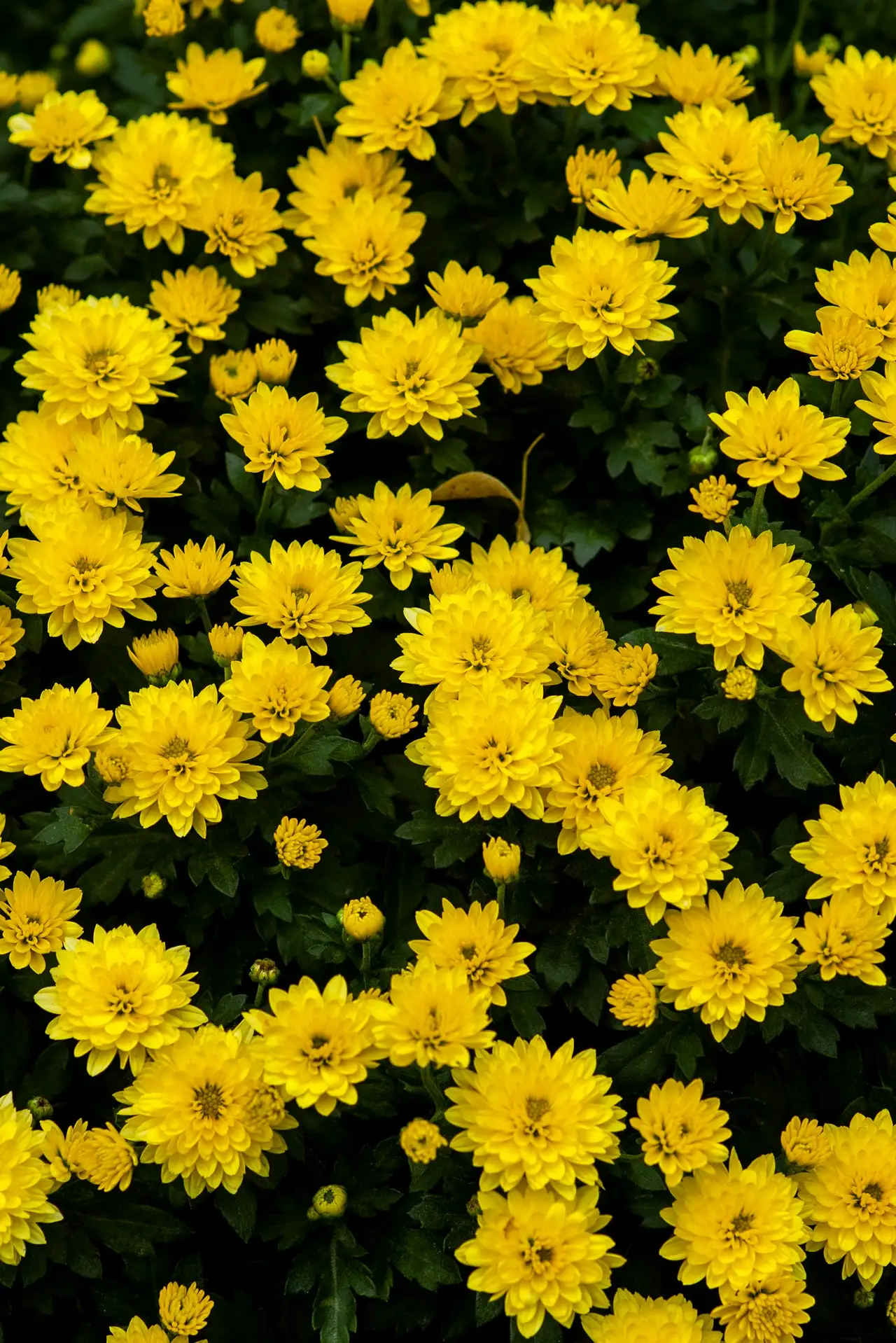
If your cat just chewed a chrysanthemum, or you are eyeing a pot of fall mums and wondering whether they are safe, here is the calm version: chrysanthemums are toxic to cats, but eating the plant usually causes nothing worse than an upset stomach. Are chrysanthemums toxic to cats in the dangerous, call-the-emergency-vet way? Almost never. The plant carries pyrethrins, the same compound family used in flea products, but at a low enough concentration that a chewed flower is a bad afternoon, not a poisoning crisis.
This guide gives you the accurate, calibrated picture that the panic-toned pages skip: what the toxins actually do, why the pyrethrin connection sounds scarier than it is, and the one pyrethrin scenario that genuinely is dangerous to cats. Every claim here is sourced to the ASPCA or Pet Poison Helpline.
TL;DR
- Chrysanthemums (mums) are toxic to cats, classified as such by the ASPCA. The toxins are pyrethrins and sesquiterpene lactones.
- Eating the plant usually causes only mild stomach upset: vomiting, diarrhea, drooling. Per Pet Poison Helpline, plant ingestion “typically” causes just gastrointestinal upset.
- Less common signs: incoordination (wobbliness, from the pyrethrins) and skin irritation (dermatitis) from the sap. Usually mild.
- It is the eating, not the smelling. Scent and proximity are not the risk. A cat sniffing mums or napping nearby is fine.
- The real pyrethrin danger is different: concentrated permethrin/pyrethroid flea products made for dogs, which can be serious or fatal to cats. Never put dog flea product on a cat. A garden mum is not that.
- You can keep mums with a cat, placed out of reach. No need to rehome them like a true lily.
- If your cat ate a mum and signs are strong: call your vet, ASPCA Animal Poison Control (888-426-4435), or Pet Poison Helpline (855-764-7661).
Are chrysanthemums toxic to cats? The short answer
Yes. The ASPCA classifies the chrysanthemum (Chrysanthemum spp.) as toxic to cats, dogs, and horses, with the toxic principles listed as sesquiterpene lactones, pyrethrins, and other potential irritants. The clinical signs are vomiting, diarrhea, hypersalivation (drooling), incoordination, and dermatitis.
Now the calibration, because this is where most pages either overstate or under-explain. Pet Poison Helpline, whose chrysanthemum page is titled after the pyrethrins, states it plainly: “ingestion of plant material is typically only going to cause gastrointestinal upset.” So the honest reading is a toxic plant with a usually-mild reaction. A cat that nibbles a mum is most likely looking at a sore stomach and some drooling for a few hours, not an organ-threatening emergency.
That is the difference between accurate and alarmist. Mums are not in the league of true lilies (which cause fatal kidney failure in cats) or sago palm. They are a toxic-but-manageable flower, more like the tulips and peonies we have covered: real toxins, real symptoms, mild outcomes.
Why chrysanthemums are toxic: pyrethrins and sesquiterpene lactones
Chrysanthemums defend themselves with a built-in insecticide, and that is the whole story of their toxicity.
The two compounds that matter, per the ASPCA, are pyrethrins and sesquiterpene lactones. Pyrethrins are natural insecticidal compounds (chrysanthemums are literally the commercial source of pyrethrum, the plant-derived insecticide). In a cat that eats the plant, they can cause gastrointestinal upset and, at higher exposures, mild neurological signs like incoordination. Sesquiterpene lactones are bitter compounds that irritate the gut and can cause skin irritation (contact dermatitis) from the sap.
The key word is concentration. The living plant carries these compounds at low levels, which is why eating a leaf or a flower head usually produces only stomach upset rather than the dramatic neurological signs people fear. The bitterness also tends to stop a cat from eating very much in the first place.
The pyrethrin myth vs. the real pyrethrin danger
This is the part worth reading twice, because it is where good intentions go wrong, and where most chrysanthemum articles either scare you for no reason or miss the actual hazard.
The myth: “chrysanthemums contain pyrethrins, pyrethrins are in flea poison, therefore a mum is highly dangerous to cats.” The plant is low-concentration, so this overstates the risk of the flower itself. Eating a garden mum is a GI problem, not a neurotoxic emergency.
The real danger, which is genuinely serious and worth knowing: concentrated permethrin and pyrethroid flea-and-tick products formulated for dogs. Cats lack an efficient liver pathway to clear these concentrated synthetic pyrethroids, so a dog spot-on product applied to a cat (or a cat grooming a recently-treated dog) can cause severe tremors, seizures, and death. This is one of the most common serious feline poisonings, and it has nothing to do with the garden plant beyond sharing a chemical family. The takeaway: never apply a dog flea-and-tick product to a cat, and keep treated dogs separated from cats until the product dries. The mum on your porch is not that hazard, but the bottle in your cabinet might be.
That distinction, low-concentration plant versus concentrated product, is the single most useful thing to understand about chrysanthemums and cats.
Symptoms of chrysanthemum poisoning in cats
Signs usually appear within a couple of hours of chewing. Drawn from the ASPCA’s clinical-signs list, here is what to watch for, in rough order of how common it is.
Common (the typical case):
- Vomiting
- Diarrhea
- Drooling or hypersalivation
- Reduced appetite or mild lethargy
Less common:
- Incoordination or wobbliness (the mild pyrethrin neuro sign)
- Skin redness or irritation where sap touched the skin or mouth (dermatitis)
Most of these resolve within 12 to 24 hours as the irritant passes. The signs that warrant a faster call to the vet are the neurological ones: if your cat is genuinely stumbling, weak, tremoring, or unable to stand, that is beyond the typical mild reaction and deserves prompt attention.
How dangerous is it, really?
Calibrated answer: usually mildly, occasionally moderately, rarely seriously.
The realistic outcome for a cat that chews a mum is a few hours of stomach upset and drooling, then a full recovery. Because the plant is bitter and low in concentration, most cats do not eat enough to cause more than that, and many cases are managed at home with a vet’s guidance.
Chrysanthemums do not cause kidney failure, liver damage, or the kind of systemic poisoning that defines the truly dangerous plants. The reason to still take an ingestion seriously is the uncommon neurological reaction and the simple fact that a vomiting, wobbly cat deserves to be checked. Respect the plant, manage access, and skip the panic.
Mums, daisies, and the chrysanthemum family
A quick clarification, because the names cause real confusion at the garden center and the florist.
The ASPCA lists “Daisy” and “Mum” as common names right under its Chrysanthemum entry, and notes “many varieties.” Garden mums (the dense pots of fall color), florist mums (the long-stemmed cut flowers), and many of the “daisy” types sold in bouquets are all Chrysanthemum species in the Asteraceae (Compositae) family. They share the same toxins and the same mild reaction.
So the practical rule is simple: any mum, garden or cut, and any chrysanthemum-type daisy should be treated as toxic-but-mild around cats. You do not need to memorize the cultivar. If the tag says chrysanthemum, mum, or daisy mum, the safety answer is the same. (The daisy name covers far more than mums, and the verdict changes by species; our daisies and cats guide sorts the whole family.)
Chrysanthemums show up heavily in two seasons worth flagging: as fall porch and decor plants in autumn, and in sympathy and funeral arrangements year-round. Both are common ways a mum ends up within a curious cat’s reach.
What to do if your cat ate a chrysanthemum
Work the steps calmly. Most cases end fine.
- Remove the plant and any pieces from your cat’s mouth and clear the rest out of reach.
- Rinse the mouth gently. Offer water or wipe the gums and lips with a damp cloth to remove sap and plant material, which also helps any skin irritation.
- Note what and how much. Roughly how much was eaten and when helps your vet judge how closely to monitor.
- Watch for the signs that matter. Mild vomiting or drooling usually just needs monitoring. Stumbling, tremors, weakness, or signs that do not settle warrant a prompt call.
- Call a professional if signs are strong or you are unsure. Reach your veterinarian, ASPCA Animal Poison Control (888-426-4435), or Pet Poison Helpline (855-764-7661). The poison control lines are staffed around the clock by toxicology experts.
- Do not induce vomiting at home. Cats are not dogs, and the at-home methods used for dogs are not safe for cats. Let the vet or poison control decide.
At a clinic, care is usually supportive: anti-nausea medication, fluids if there has been a lot of vomiting, and monitoring. Mums rarely require more than that.
Can cats be in the same room as chrysanthemums?
This is one of the most common worries (the People Also Ask box includes both “can cats be in the same room as chrysanthemums” and “is chrysanthemum safe for cats to smell”), and the answer is reassuring.
Chrysanthemums are not toxic to cats by scent or proximity. The toxins do their damage only when the plant is chewed or eaten, or when the sap contacts skin. A cat that sniffs a pot of mums, sits beside a vase, or shares a room with an arrangement is not absorbing anything harmful. There is no inhalation hazard and no pollen-grooming hazard the way there is with true lilies.
So the thing to manage is chewing, not air. If your cat will not eat the plant, a mum is a perfectly reasonable flower to have in the house.
How to keep cats safe around mums (and what to skip)
You do not have to give up chrysanthemums. You have to make them un-chewable.
- Elevate them. Put pots and vases on high shelves, mantels, or a plant stand your cat cannot reach. Fall mums on a porch or in a hanging basket are naturally out of the way.
- Clean up debris. Sweep up dropped petals and leaves promptly, and wear gloves when pruning or arranging so the sap does not transfer to surfaces your cat licks.
- Redirect the chewer. A pot of cat grass gives a plant-curious cat a safe target. For the full set of placement and deterrent tactics, see our guide on how to keep cats away from plants.
- Choose safe flowers when you can. If you would rather not think about it, our roundup of cat-safe flowers verified against the ASPCA list covers the bouquet and arrangement options that are non-toxic across the board. The sunflower is a useful example: it sits in the same Asteraceae family as the mum, yet it is fully cat-safe, pollen and all.
What to skip:
- Skip the rehoming panic. Mums are mild-to-moderate, not a true-lily emergency. Out of reach is enough.
- Skip the “extremely dangerous even in tiny amounts” framing you will see on some pages. Pet Poison Helpline is clear that eating the plant typically causes only GI upset.
- Never skip the flea-product rule. The serious pyrethrin hazard is concentrated dog flea-and-tick products on cats. That one is genuinely dangerous, unlike the garden flower. If your cat needs flea control, use a cat-specific product.
If you are weighing mums against the flowers that actually are emergencies, our guide on whether lilies are toxic to cats covers the one flower family that warrants real alarm, and our hydrangea and cats guide rounds out the common toxic-but-mild garden flowers.
Frequently asked questions
What happens if my cat eats chrysanthemums?
Most cats that chew a chrysanthemum get mild stomach upset: vomiting, diarrhea, and drooling, usually starting within a couple of hours and resolving within a day. The ASPCA also lists incoordination (wobbliness from the plant’s pyrethrins) and skin irritation from the sap, both of which are uncommon and usually mild. Per Pet Poison Helpline, eating the plant material typically causes only gastrointestinal upset. Call your vet if signs are strong, persistent, or include stumbling or weakness.
Can cats be in the same room as chrysanthemums, or smell them safely?
Yes. Chrysanthemums are not dangerous to a cat by scent or by simply being in the same room. The toxins are only a problem when a cat chews or eats the plant, or gets the sap on its skin. A cat that sniffs a pot of mums or naps near a vase is not at risk. The thing to manage is access to chewing, not the air.
Can I have mums in the house with a cat?
Yes, with sensible placement. Chrysanthemums are toxic but the reaction to eating the plant is usually mild, so unlike a true lily you do not have to keep them out of the house entirely. Put pots and bouquets up high or in a room your cat does not access unsupervised, sweep up dropped petals and leaves, and wear gloves when handling them so the sap does not transfer. Keep a curious chewer away and a mum is an easy plant to live with.
Are mums and daisies the same thing for cats?
For safety purposes, mostly yes. The ASPCA lists “Daisy” and “Mum” as common names under its Chrysanthemum entry, because garden mums, florist mums, and many “daisy” types are all Chrysanthemum species in the Asteraceae family. They share the same toxins (pyrethrins and sesquiterpene lactones) and the same mild reaction. Treat any mum or chrysanthemum-type daisy as toxic-but-mild around cats.
Are chrysanthemums dangerous because of pyrethrins?
The plant contains pyrethrins, but at low concentration, so eating it typically causes only stomach upset. The serious pyrethrin danger to cats is something different: concentrated permethrin and pyrethroid flea-and-tick products made for dogs. Cats are highly sensitive to those concentrated products, which can cause severe tremors and seizures, and they should never be applied to a cat. A chewed garden mum is not in that category.
The bottom line
Chrysanthemums earn their “toxic to cats” label, but the label hides a calm reality: eating the plant is usually just a stomachache. The pyrethrins that sound alarming are low-concentration in the flower, and the genuinely dangerous form of pyrethrins is the concentrated dog flea product you should already be keeping away from your cat. Place your mums up high, sweep up the petals, keep a determined chewer occupied with cat grass, and you can enjoy a porch full of fall color without losing sleep.
Emergency numbers, save them now: ASPCA Animal Poison Control 888-426-4435 and Pet Poison Helpline 855-764-7661. Both are staffed 24/7 by veterinary toxicology experts. A consultation fee may apply, and it is worth it.
Sources: ASPCA Toxic Plants, Chrysanthemum | Pet Poison Helpline, Chrysanthemum